Panama Canal Reduces Transit Capacity Amid El Niño Drought Crisis
El Niño causes Panama Canal to cut ship transits due to low rainfall. Operators restrict daily passages to manage water levels. Impact on global maritime traffi...
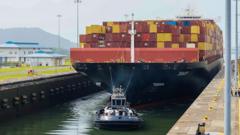
Panama Canal Restricts Daily Ship Passages Due to El Niño Weather Pattern
The Panama Canal, one of the world's most critical maritime arteries, is implementing significant restrictions on vessel traffic as Panama Canal El Niño drought conditions intensify across Central America. Canal authorities announced that the unprecedented weather phenomenon has triggered severe water supply challenges, forcing operators to reduce the number of ships permitted to transit through the waterway daily.
Officials at the Panama Canal Authority confirmed that the decision stems directly from substantially diminished rainfall levels associated with the El Niño climatic pattern. This natural oceanic-atmospheric phenomenon, which significantly alters precipitation patterns across tropical and subtropical regions, has created a critical shortage of freshwater reserves essential for operating the Canal's lock system.
Understanding the Water Supply Challenge
The Panama Canal operates using Gatun Lake, an artificial freshwater reservoir that supplies the massive quantity of water required to fill and empty the locks that raise and lower vessels. Each vessel transit through the Canal consumes approximately 52 million gallons of freshwater—a substantial volume that depends on consistent rainfall to replenish the system. Ship transit restrictions have become necessary as rainfall levels plummet below seasonal averages.
The El Niño pattern, characterized by unusual warming of equatorial Pacific Ocean waters, disrupts normal atmospheric circulation patterns. In the Panama region, this disruption has resulted in below-normal precipitation rates throughout the year. When water levels in Gatun Lake decline below operational thresholds, the Canal cannot maintain its standard transit schedule without risking operational integrity.
Impact on Global Maritime Operations
The waterway capacity reduction represents a significant challenge for global shipping. Approximately 5 percent of international maritime trade passes through the Panama Canal daily, connecting major Asian ports with Atlantic markets and ports serving Europe and North America. Any restriction on transit capacity directly affects shipping schedules, fuel consumption, and overall logistics costs for shipping companies worldwide.
Canal operators announced a graduated reduction in daily vessel transits, moving from the standard maximum number of approximately 35-40 ships per day to a substantially lower figure. This reduction means longer queues of vessels waiting for passage slots and increased transit times for companies dependent on the Canal's expedited route.
Environmental Factors and Climate Implications
The severity of current conditions reflects broader climate patterns and their impacts on critical infrastructure. Meteorologists confirm that the El Niño event affecting the region presents one of the strongest oceanic patterns in recent decades. Weather forecasts indicate that below-normal precipitation could persist throughout the Canal's dry season, potentially extending operational constraints for several months.
Regional climate data shows that Gatun Lake levels have declined to concerning depths, approaching minimum thresholds previously considered critical. Water management officials must balance maintaining sufficient freshwater reserves for agricultural communities, hydroelectric facilities, and residential users across Panama while ensuring the Canal retains adequate operational capacity.
Operational Response and Future Outlook
The Panama Canal Authority implemented the maritime traffic impact mitigation strategy following extensive analysis of hydrological conditions and operational capacity scenarios. Canal administrators consulted with shipping industry representatives, port operators, and regional stakeholders to develop a sustainable approach that acknowledges both environmental constraints and economic necessities.
Authorities implemented a reservation system requiring advance notification and scheduling for vessels intending to transit the Canal. This system allows operators to optimize the available daily transit slots and manage expectations across the shipping industry. Priority allocation considers factors including vessel size, cargo importance, and departure schedules.
The restriction measures remain contingent on hydrological conditions and rainfall water levels in the Gatun Lake system. Canal administrators committed to regular updates regarding when normal transit capacity might resume. Weather modeling suggests that normal El Niño conditions typically resolve within 12-18 months, though timing and intensity vary considerably year to year.
Industry Adaptation and Alternative Routes
Shipping companies have begun exploring alternative routing options, including traditional routes around Cape Horn at South America's southern tip. While these alternatives require extended transit times and increased fuel expenditure, some carriers determined that circumnavigating South America provides schedule certainty unavailable through restricted Canal passages.
Port facilities on both Atlantic and Pacific coasts of Panama have experienced increased activity from vessels seeking storage and transshipment services while awaiting Canal passage slots. This unexpected surge provided short-term economic benefits to regional port operators and logistics providers.
Looking Forward
The Panama Canal situation underscores the vulnerability of critical global infrastructure to climate variability and natural weather phenomena. As global shipping depends increasingly on established maritime chokepoints, climate resilience and water resource management have emerged as paramount concerns for long-term operational sustainability. Canal authorities announced plans to examine expanded water conservation initiatives and potential infrastructure improvements to enhance system resilience against future drought episodes related to El Niño or other climatic patterns.


