Plug-in Solar Panels Arrive in UK Shops: What You Need to Know
Discover how plug-in solar panels are revolutionizing home energy. Learn what UK consumers should know about this accessible renewable technology and potential...
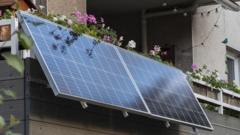
Plug-in Solar Panels Transform Residential Energy Solutions
The introduction of plug-in solar panels marks a significant shift in how UK households can access renewable energy technology. These innovative systems are becoming increasingly available at retail locations across the country, offering homeowners a practical alternative to traditional fixed solar installations. According to government assessments, plug-in solar panels could help residences "significantly cut" their energy bills while promoting sustainable energy consumption.
Understanding Plug-in Solar Panel Technology
Plug-in solar panels represent a breakthrough in accessible renewable energy. Unlike conventional rooftop solar systems that require professional installation and structural modifications, these panels operate as independent units that connect directly to household electrical systems. The technology enables homeowners to generate their own electricity without extensive renovation work or permanent alterations to their properties.
How Plug-in Systems Work
These solar panels function by capturing sunlight and converting it into usable electricity through photovoltaic cells. The generated power flows through an inverter, which transforms direct current into alternating current compatible with standard household appliances. This straightforward mechanism makes the technology accessible to a broader range of consumers, including renters and those in temporary housing situations.
Energy Bill Reduction Potential
UK government officials claim that plug-in solar panels can deliver substantial reductions in household energy expenses. By generating renewable electricity on-site, homes reduce their reliance on grid-supplied power, subsequently lowering monthly utility bills. The amount of savings depends on several factors, including geographical location, seasonal sunlight availability, household consumption patterns, and panel specifications.
Factors Affecting Energy Savings
Maximizing the benefits of plug-in solar panels requires consideration of installation location, weather patterns, and energy usage habits. Homes in sunnier regions typically experience greater energy generation and correspondingly higher savings. The system's efficiency improves when positioned in areas receiving consistent direct sunlight throughout the day, whether on balconies, gardens, or south-facing walls.
Retail Availability and Market Expansion
Shops across the United Kingdom are beginning to stock plug-in solar panel systems, making the technology more accessible to everyday consumers. This retail expansion reflects growing consumer interest in renewable energy solutions and reflects the government's push toward sustainable home energy practices. The availability of these products in mainstream retail channels removes barriers to adoption and encourages broader market penetration.
Types of Retailers Stocking Solutions
Various retail establishments, including major home improvement centers and electronics retailers, now offer plug-in solar panel options. This distribution strategy ensures that interested homeowners can easily research, compare, and purchase systems without specialized knowledge or connections to specialized solar companies.
Advantages for UK Homeowners
Plug-in solar panels offer numerous advantages over traditional installation methods. The absence of permanent modifications makes these systems ideal for renters and property owners reluctant to make lasting changes. Installation requires minimal technical expertise, allowing most homeowners to set up systems independently. Additionally, these units remain portable, enabling users to relocate panels if moving houses or adjusting their home layout.
Cost-Effectiveness and Accessibility
The lower upfront investment compared to conventional solar panel systems makes renewable energy accessible to cost-conscious households. By removing installation labor costs and structural modifications, plug-in solar panels democratize access to clean energy technology across diverse economic segments.
Environmental and Economic Impact
Beyond individual household benefits, widespread adoption of plug-in solar panels contributes to broader environmental objectives. Reduced reliance on fossil fuel-generated electricity decreases carbon emissions and supports national sustainability targets. As more UK households generate their own renewable energy, collective environmental impact grows substantially.
Government Support and Policy Framework
Government endorsement of plug-in solar panels reflects commitment to renewable energy adoption. Supporting policies and favorable assessments encourage consumer investment in these technologies and signal long-term market viability for manufacturers and retailers.
What Consumers Should Consider Before Purchase
Potential buyers should evaluate their specific circumstances before investing in plug-in solar panels. Assessing available space, expected sunlight exposure, current energy consumption levels, and long-term housing plans helps determine suitability. Consulting product specifications and comparing options from different manufacturers ensures selection of systems meeting individual requirements.
The emergence of plug-in solar panels in UK retail outlets represents an important step toward democratizing renewable energy access. As this technology becomes more prevalent and consumers become better informed, the potential for significant energy bill reductions and environmental benefits continues to expand across British households.


