Police Uniform Ban at Pride Events Endorsed by Home Secretary
Home Secretary Shabana Mahmood backs ban on police marching in pride events in uniform, citing need to restore public trust in impartial law enforcement and add...
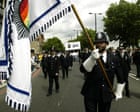
Home Secretary Endorses Police Uniform Restriction at Pride Marches
Shabana Mahmood, the United Kingdom's Home Secretary, has publicly endorsed a ban preventing police officers from marching in pride events while wearing their official uniforms. This significant policy position addresses concerns about maintaining impartiality and rebuilding public confidence in law enforcement across the nation. The decision reflects ongoing discussions about how police should conduct themselves during community events and social gatherings.
The Home Secretary emphasized that while systematic two-tier policing does not represent a widespread problem within police forces, isolated incidents have occurred that warrant immediate attention. Mahmood acknowledged these occasional examples of inconsistent policing have contributed to public skepticism regarding the fairness and neutrality of law enforcement operations. Her statement suggests that targeted policy measures are necessary to counteract the erosion of community trust that has developed in recent years.
Restoring Public Confidence Through New Impartiality Standards
At the core of Mahmood's position lies a commitment to establishing a new impartiality standard across police services. This framework is designed to reinforce the principle that law enforcement must be perceived as neutral and unbiased, regardless of an officer's personal beliefs or identifications. The proposed standard aims to ensure that police conduct themselves in ways that do not suggest preferential treatment toward any particular community or group.
The Home Secretary's approach acknowledges that public perception plays a crucial role in the legitimacy of police authority. When citizens question whether law enforcement treats all individuals equally, the foundational trust necessary for effective policing diminishes significantly. By implementing clearer guidelines about appropriate police conduct and appearance during public events, the government hopes to demonstrate its commitment to unbiased law enforcement practices.
Context of Policing Controversies and Public Trust
Recent months have witnessed considerable public debate about policing practices and fairness in law enforcement response to various incidents. The concept of two-tier policing, while not systematic according to official assessments, has gained traction in public discourse following specific high-profile cases. This perceived inconsistency has prompted calls for greater transparency and clearer standards governing police behavior across different circumstances and communities.
Mahmood's statement represents an attempt to balance acknowledging legitimate public concerns while avoiding suggestions of systemic discrimination within police forces. By focusing on the uniform ban at pride events, the Home Secretary addresses a specific, manageable policy area where clear guidelines can be established. This targeted approach allows the government to demonstrate responsiveness to public concerns about impartiality without making broader allegations about police conduct.
Implications for Police Operations and Community Relations
The proposed uniform ban at pride events carries implications for how police officers navigate their professional responsibilities and personal identities. While officers retain the right to participate in community events, attending without uniform creates a distinction between personal participation and official police representation. This separation aims to prevent any appearance that police institutions are endorsing particular political or social positions.
Community relations specialists suggest that such policies can help clarify the distinction between personal and professional conduct. When police officers attend events in civilian capacity, they participate as community members rather than official representatives of law enforcement. This approach may help rebuild trust by demonstrating that police institutions maintain neutrality while respecting officers' individual freedoms.
Moving Forward with Policy Implementation
The Home Secretary's endorsement of this ban represents a preliminary step toward broader policy implementation. Additional discussions will likely occur between government officials, police leadership, and community organizations to refine implementation details and address potential concerns from various stakeholders. The goal remains consistent: establishing clear standards that reinforce public confidence in police impartiality and neutrality across all interactions and community engagement activities.