RAF Typhoon Jets Deploy to Shield Saudi Arabia
UK deploys RAF Typhoon fighters to defend Saudi Arabia against Houthi missile and drone attacks. Major military operation protecting critical infrastructure and...
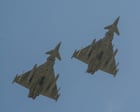
RAF Typhoon Deployment Strengthens UK Military Support
The United Kingdom has announced a significant military commitment to bolster Saudi Arabia's defenses against ongoing threats. RAF Typhoon jets will be stationed to conduct protective operations across the kingdom, marking a substantial escalation in British military involvement in the region. This RAF Typhoon Saudi Arabia deployment represents one of the most consequential defense initiatives undertaken by the current administration.
Mission Objectives and Operational Scope
The deployed RAF Typhoon squadrons will undertake defensive patrol missions over major Saudi cities and vital economic infrastructure. Their primary objective involves intercepting and neutralizing Houthi-launched missiles and unmanned aerial systems before they reach their intended targets. Pilots will work to safeguard critical installations, including transportation hubs and energy production facilities that have been repeatedly targeted in recent months.
The operation extends beyond passive surveillance, with RAF aircraft equipped and authorized to engage hostile threats directly. This proactive defense strategy aims to prevent the kind of coordinated attacks that have disrupted regional stability and threatened civilian populations throughout Saudi Arabia.
Escalating Regional Conflict and Western Response
Yemen's Houthi forces have intensified attacks on Saudi Arabian targets, launching sophisticated weapons systems against airports, petroleum infrastructure, and commercial centers. These offensive operations have prompted increased international intervention, with multiple Western nations reconsidering their military posture in the Arabian Peninsula. The RAF Typhoon deployment signals a clear commitment to protecting allied interests and maintaining regional security.
The situation has evolved significantly, with mounting concerns about the humanitarian impact and broader geopolitical implications of the ongoing confrontation. By positioning advanced fighter aircraft in defensive roles, Western allies aim to deter further aggression and provide concrete security guarantees to Saudi Arabia.
Strategic Significance for UK Foreign Policy
This military operation represents a pivotal decision approved at the highest levels of government. The authorization constitutes one of the most substantial defense commitments made during the current administration's tenure. RAF involvement demonstrates Britain's continued commitment to maintaining stability in critical Middle Eastern regions where economic and security interests remain significant.
The deployment reflects broader strategic considerations regarding Western influence in the Arabian Peninsula and the protection of international trade routes. By providing direct military support, the UK aims to reinforce its position as a reliable security partner while demonstrating resolve in countering regional destabilization attempts.
RAF Capabilities and Operational Readiness
The Typhoon aircraft selected for this mission represent among the most advanced fighter platforms currently operational. These jets possess sophisticated air defense capabilities, including advanced radar systems and precision-guided weaponry designed for rapid threat response. The combination of speed, maneuverability, and armament makes the Typhoon particularly suitable for defensive operations in contested airspace.
RAF pilots assigned to this mission bring extensive training and operational experience from multiple combat theaters. Their expertise in air-to-air engagement and threat identification will prove essential for successfully executing the protective mandate across Saudi Arabian territory.
International Context and Allied Support
The UK's decision aligns with similar commitments undertaken by other Western nations concerned about regional destabilization. Coordinated international responses to Houthi aggression reflect shared security interests and commitment to maintaining stability along crucial global shipping lanes and energy supply routes.
This collaborative approach strengthens the overall defensive posture while distributing operational burdens among allied nations. The RAF Typhoon presence contributes to a broader multinational effort aimed at containing the conflict and preventing further escalation that could have far-reaching international consequences.
Implications and Future Outlook
The deployment signals an important shift in Western military engagement levels within the region. As threats continue to evolve and adversaries develop increasingly sophisticated capabilities, allied nations have determined that enhanced defensive measures represent a necessary response. The RAF Typhoon Saudi Arabia operation will likely continue as long as the threat environment persists, with ongoing assessment of operational effectiveness and strategic objectives.