Romania's Nuclear Generator Halts Amid Danube Water Crisis
Romania's primary nuclear power facility closes due to critical Danube River water levels dropping from extreme heat. Electricity production faces major disrupt...
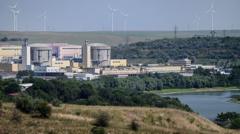
Romania's Nuclear Generator Halts Operations
Romania's nuclear power facility has ceased operations following a significant decline in water availability caused by unprecedented heat conditions affecting the region. The shutdown of this critical installation raises serious concerns about the nation's electricity generation capacity during the coming period.
Impact on National Energy Supply
The Cernavodă plant, responsible for supplying approximately one-fifth of Romania's total electrical output, has been forced offline. This represents a substantial portion of the country's energy infrastructure. Officials have indicated that restoration of normal operations is unlikely to occur within the immediate ten-day timeframe, leaving the nation facing potential energy constraints.
Environmental Factors Behind the Shutdown
Extreme temperatures across Central and Eastern Europe have triggered a dramatic reduction in the Danube River's water level. This natural waterway serves as the cooling system for the nuclear facility. When river levels drop significantly, nuclear plants cannot maintain adequate cooling mechanisms required for safe operation. The current conditions have made it impossible to sustain the facility's operational parameters.
Heat Wave Impact on Water Resources
The ongoing heat wave has affected water availability throughout the entire region. Rivers and reservoirs typically relied upon for industrial cooling have experienced unprecedented low levels. The Danube, one of Europe's most important waterways, provides essential water supply for numerous power plants, irrigation systems, and industrial operations across multiple nations.
Electricity Market Implications
Romania's power grid now operates without its single largest nuclear source. This situation mirrors similar challenges faced by other European nations during periods of extreme weather. The electrical system must compensate through alternative generation methods, including fossil fuel plants and renewable energy sources. However, this substitution may not fully offset the loss of the 20% contribution previously provided by Cernavodă.
Supply Chain Pressures
Energy suppliers and government authorities are assessing the duration and severity of this outage. Extended shutdown periods could necessitate energy imports or require rotating power reduction measures across industrial and residential consumers. Market prices for electricity may experience upward pressure as supply becomes more constrained.
Timeline for Recovery
According to current assessments, the nuclear plant's reopening window extends beyond the immediate ten-day period mentioned in preliminary forecasts. Technicians and plant operators must monitor Danube water levels continuously. Once conditions improve sufficiently, the facility will undergo thorough safety inspections before resuming production. The exact restart date depends entirely on environmental conditions and precipitation patterns in the coming weeks.
Broader European Energy Context
This situation reflects ongoing vulnerabilities within Europe's energy infrastructure regarding climate-related disruptions. Nuclear facilities across the continent have faced periodic cooling challenges during recent years of elevated temperatures. The incident highlights the critical importance of diversified energy portfolios and investment in climate-resilient power generation systems.
Government Response and Planning
Romanian authorities are coordinating with regional partners to address the temporary electricity shortage. International cooperation mechanisms are being activated to facilitate potential energy imports during the outage period. Policymakers are also examining long-term strategies to enhance system resilience against future heat-related disruptions.
The shutdown of Romania's nuclear plant serves as a stark reminder of climate change impacts on critical infrastructure. As weather patterns continue evolving, nations must develop adaptive strategies to maintain reliable energy supplies despite environmental challenges.


