Russia Losing 6,000 Monthly Troops Beyond Recruitment Capacity
Western officials report Russia loses 6,000 more troops monthly in Ukraine than it recruits. Despite recruiting 1,000 daily, casualties exceed replenishment rat...
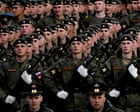
Russia's Mounting Military Deficit in Ukraine
According to assessments from western defense officials, Russia troop losses Ukraine have created an unsustainable personnel shortage. The country is experiencing a monthly deficit of approximately 6,000 soldiers, as combat casualties continue to outpace the nation's capacity to replenish its fighting force through new recruitment drives.
Despite maintaining an aggressive recruitment strategy that sources approximately 1,000 personnel daily, recent intelligence indicates this influx remains insufficient to compensate for the mounting toll of deaths and injuries sustained across the conflict zone. Military analysts tracking the situation emphasize that the disparity between losses and gains represents a critical vulnerability in Moscow's operational sustainability.
Daily Recruitment Efforts Fall Short of Casualty Rates
The Russian military apparatus continues its substantial recruitment campaign, processing around 1,000 new soldiers each day. This figure, while considerable in absolute terms, demonstrates the scale at which the armed forces attempt to maintain combat strength. However, western military intelligence assessments indicate that even this elevated recruitment pace cannot match the documented casualty figures emerging from the ongoing conflict.
Over the preceding two-month period, data compiled by western defense analysts reveals a critical inflection point: for the first time in the conflict's trajectory, daily recruitment acquisitions have proven demonstrably inadequate. The gap between personnel losses and personnel gains has widened significantly, creating a quantifiable personnel crisis that defense officials acknowledge threatens long-term Russian military capability in the theater.
Implications for Military Sustainability
The 6,000-troop monthly deficit represents more than a statistical anomaly; it signals fundamental challenges to Russia's capacity to sustain prolonged military operations. This shortfall directly impacts force composition, unit readiness, and the overall strategic position of Russian forces operating throughout Ukraine.
Western military analysts note that such personnel deficits force operational commanders to make difficult tactical decisions, potentially including extended deployments for existing personnel, reduced unit sizes, or deployment of insufficiently trained replacements. Each option carries implications for battlefield effectiveness and troop welfare.
Recruitment Strategy Under Pressure
Moscow's recruitment infrastructure has undergone substantial expansion to achieve the 1,000-daily acquisition rate. Despite increased emphasis on recruitment messaging and expanded eligibility criteria, the military establishment faces inherent limitations in sourcing replacement personnel at required volumes.
Demographic constraints, previous mobilization efforts that have already drawn from available populations, and potential recruitment resistance in certain regions all contribute to the difficulty in accelerating acquisition rates beyond current levels. Defense experts suggest that further acceleration would require either policy changes regarding recruitment parameters or increased incentive structures.
Strategic Outlook and Western Assessment
Western defense officials maintain that the documented Russia troop losses Ukraine situation will continue shaping military strategy and operational planning. The personnel deficit creates pressure on the command structure to either reduce operational tempo, seek alternative force-generation methods, or implement strategic adjustments that account for the constrained personnel environment.
Intelligence assessments indicate this trend may persist absent significant changes to either casualty reduction measures or recruitment expansion initiatives. Military analysts continue monitoring the situation closely, as personnel sustainability directly correlates with operational capability and strategic endurance in the conflict.