Sir Christopher Ondaatje, Philanthropist Who Transformed Cultural Institutions
Discover the legacy of Sir Christopher Ondaatje, the visionary businessman and philanthropist who revolutionized major British cultural institutions through str...
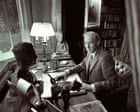
A Visionary Philanthropist's Journey
Sir Christopher Ondaatje emerged as one of Britain's most influential philanthropists, dedicating his later years to supporting major cultural and educational institutions across the country. The Canadian-born businessman and philanthropist leveraged his considerable fortune to strengthen the fabric of British society through strategic charitable investments.
After establishing himself as a successful publisher and stockbroker on the Canadian stock exchange, Ondaatje made a pivotal decision in 1988 that would reshape his life and impact numerous organizations. During a holiday in Tanzania, he resolved to step away from his commercial ventures and redirect his energies toward pursuits that aligned with his personal values and vision for cultural advancement.
From Business Success to Philanthropic Purpose
Ondaatje's transition from the corporate world to full-time philanthropy reflected a deliberate and thoughtful approach to wealth management. Having amassed considerable resources through his publishing and stockbroking activities, he possessed both the financial means and the intellectual capacity to make meaningful contributions to institutions of cultural significance.
His philosophy regarding charitable work mirrored the meticulous methodology he had employed throughout his business career. Rather than making impulsive donations, Ondaatje conducted thorough research and analysis to understand how his investments could generate transformative change within organizations. This analytical approach ensured that his contributions would yield maximum impact and sustainable improvements.
The National Portrait Gallery and Major Cultural Achievements
Among his most notable accomplishments was his substantial support for the National Portrait Gallery, where his funding facilitated the development of new wings and expanded collections. This investment represented a cornerstone of his broader commitment to preserving and advancing British cultural heritage.
Beyond the National Portrait Gallery, Ondaatje extended his philanthropic reach to encompass several prestigious institutions. The Royal Geographical Society benefited from his generosity, as did the Royal Society of Literature, both receiving substantial support that enhanced their operational capabilities and public programming. Additionally, he demonstrated political engagement through contributions to the Labour party, reflecting his commitment to broader societal transformation.
Personal Legacy and Estate
Ondaatje's personal residence, Glenthorne, exemplified his refined aesthetic sensibilities and appreciation for architectural heritage. This rambling 19th-century mansion, situated in a remote coastal location north of Exmoor, served as both a family home and a reflection of his taste for distinguished properties. The estate provided him with a private sanctuary while he orchestrated his extensive philanthropic endeavors.
Life Philosophy and Public Engagement
In a 2002 appearance on Radio 4's Desert Island Discs, where he was interviewed by Sue Lawley, Ondaatje articulated his life philosophy with characteristic clarity. He described his decision to pursue "having fun" as the central organizing principle of his later decades—a concept he interpreted broadly to encompass travel, literary pursuits, family engagement, and the redistribution of accumulated wealth for public benefit.
This approach to personal fulfillment demonstrated that Ondaatje understood philanthropy not as obligation or burden, but as a source of genuine satisfaction and purpose. His willingness to divest himself of business responsibilities in favor of more meaningful pursuits challenged conventional assumptions about wealth accumulation and success.
Institutional Impact and Transformation
The institutions that received support from Ondaatje experienced tangible benefits that extended far beyond immediate financial relief. His strategic investments helped these organizations expand their public engagement, preserve important collections, and advance their core missions. The National Portrait Gallery's development in particular served as a testament to how individual philanthropy could shape the infrastructure of cultural institutions.
Sir Christopher Ondaatje's philanthropic legacy continues to influence British cultural and intellectual life. His approach—combining business acumen with genuine commitment to institutional improvement—established a model for effective charitable giving that prioritized long-term transformation over superficial gestures. Through his support of major institutions and his personal example of purposeful living, Ondaatje demonstrated that wealth could serve as a vehicle for cultural advancement and societal enrichment.