Spanish Enclave Faces Migration Surge as EU Convenes Emergency Session
EU emergency meeting addresses escalating migrant crossings into Ceuta. Spain confronts mounting tensions with member states over border management and migrant...
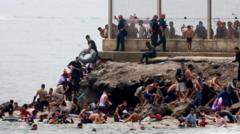
EU Emergency Session Tackles Growing Migrant Crossings into Ceuta
European Union leaders have convened an emergency meeting to address the intensifying migrant crossings into Ceuta, the Spanish autonomous enclave located on North Africa's Mediterranean coast. The emergency gathering reflects escalating concerns about unauthorized border entries and the broader implications for EU migration policy management.
Rising Tensions Between Spain and Member States
Strained diplomatic relations have emerged between Spain and fellow European Union members regarding the handling of migrant arrivals at Ceuta. Spanish authorities report significant increases in attempted border crossings, creating friction over responsibility allocation and resource distribution among EU states. The enclave's strategic geographic position as a gateway between Africa and Europe has amplified concerns about sustained migratory pressure.
Ceuta's Geographic Vulnerability
Located merely across the Strait of Gibraltar from Morocco, Ceuta serves as an accessible entry point for migrants attempting to reach European territory. The enclave's geographic characteristics create unique border security challenges that distinguish it from mainland European frontiers. Spanish border authorities have documented heightened arrival rates, overwhelming local infrastructure and social services designed to accommodate migrant populations.
EU Response and Policy Considerations
The emergency meeting convenes amid broader EU discussions concerning migration management frameworks and burden-sharing mechanisms. Member states are examining whether existing protocols adequately address situations involving concentrated migrant influxes at specific border locations. The discussions surrounding migrant crossings at Ceuta highlight divergent national priorities regarding asylum procedures and integration policies.
Border Management Strategies Under Review
EU officials are evaluating enhanced border control procedures and resource allocation mechanisms to manage migrant crossings more effectively. Proposals under consideration include improved coordination between Spanish authorities and other European nations, strengthened security protocols, and standardized processing procedures for asylum applications. These discussions aim to balance humanitarian obligations with effective border management.
Humanitarian and Political Dimensions
Beyond security considerations, the migrant crossings at Ceuta present humanitarian challenges requiring attention from EU policymakers. Advocates for migrant rights emphasize the necessity of humane treatment and access to proper asylum assessment procedures. The emergency meeting must navigate complex terrain between security imperatives and international humanitarian commitments.
Coordination Challenges Within EU Framework
Effective response to migrant crossings demands seamless cooperation among EU member states, yet coordination often proves complicated by differing national interests and varying policy approaches. Spain's position as the primary contact point for Mediterranean migration routes places particular responsibility on Spanish authorities. The emergency session seeks to establish coordinated strategies that distribute responsibilities equitably across European Union members.
Future Outlook and Policy Direction
The emergency meeting represents a pivotal moment for EU migration policy refinement. Outcomes may reshape how European institutions address future migrant crossings and establish precedents for handling similar situations. EU leadership recognizes that sustainable solutions require comprehensive approaches addressing both immediate security needs and longer-term integration considerations for migrant populations entering European territory through Ceuta and other border points.


