Surgeons Successfully Remote-Control Humanoid Robots in Operating Theatre
Cutting-edge medical technology enables surgeons to remotely operate humanoid robots in surgical environments, revolutionizing remote surgical procedures and pr...
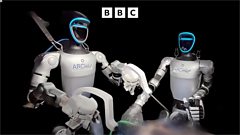
Revolutionary Remote-Controlled Humanoid Robots Transform Surgical Operations
The field of medical innovation has reached a remarkable milestone as surgeons successfully demonstrated the ability to remotely control two advanced humanoid robots within an operating theatre environment. This groundbreaking achievement represents a significant step forward in telesurgery technology and remote-controlled surgical robots, opening new possibilities for precision medicine and surgical intervention across geographical boundaries.
How Remote-Controlled Surgical Robots Operate
The deployment of humanoid robots in operating theatre settings combines sophisticated mechanical engineering with advanced telecommunications infrastructure. Surgeons positioned at a command center maintain real-time control of these anthropomorphic machines, which replicate human movements with exceptional precision. The system translates surgical hand movements into coordinated robotic actions, allowing experienced medical professionals to perform complex procedures regardless of their physical location.
Technical Integration and Control Systems
The remote-controlled surgical robots utilize cutting-edge feedback mechanisms that provide surgeons with sensory information about tissue resistance, temperature, and spatial orientation. High-definition visual feeds synchronized with motion-capture technology ensure that every gesture made by the surgeon translates accurately to the robotic arms performing the actual surgical work. This seamless integration of human expertise with mechanical precision minimizes errors and enhances surgical outcomes.
Impact on Telesurgery Technology
The successful demonstration of these humanoid robots in operating theatre environments marks a transformative moment for telesurgery technology worldwide. Medical institutions now recognize the potential to expand access to specialized surgical expertise beyond traditional geographic limitations. Remote procedures conducted through these advanced robotic systems could prove invaluable in emergency situations, rural healthcare settings, and complex surgical scenarios requiring intervention from world-renowned specialists.
Benefits for Global Healthcare Delivery
Implementing remote-controlled surgical robots addresses critical healthcare inequalities by enabling specialists in major medical centers to assist patients in underserved regions. The technology promises reduced recovery times, enhanced precision in delicate operations, and the ability to conduct training sessions with medical professionals observing real-time surgical techniques. Furthermore, these robotic surgery systems can operate continuously without fatigue, potentially improving consistency in surgical performance.
Advantages of Humanoid Robot Integration in Operating Theatres
The choice to utilize humanoid robots in operating theatre configurations offers distinct advantages over traditional robotic surgery systems. These human-like machines provide natural movement patterns that surgeons recognize intuitively, reducing training time and adaptation periods. The anatomical similarity to human surgical teams enables smoother integration into existing operating room protocols and workflows.
Precision and Safety Enhancements
Humanoid robots operating theatre environments provide superior dexterity and stability compared to conventional surgical instruments. The robotic arms eliminate tremors inherent to human hands while maintaining the nuanced touch necessary for delicate tissue work. Enhanced sensory feedback systems alert surgeons to complications in real-time, enabling immediate adjustments and preventive interventions before critical situations develop.
Current Challenges and Future Development
While the successful demonstration represents remarkable progress, the widespread adoption of remote-controlled surgical robots faces several hurdles. Latency in telecommunications networks, regulatory approval processes, and significant infrastructure investments remain substantial obstacles. Medical institutions must establish rigorous training protocols to ensure surgeons can effectively operate these complex systems under high-pressure conditions.
Regulatory and Ethical Considerations
Healthcare authorities worldwide are developing frameworks to govern telesurgery technology and remote-controlled surgical robots. Questions regarding surgeon accountability, malpractice liability, and patient consent require careful legal examination. Professional medical organizations are collaborating to establish standardized protocols ensuring that robotic surgery systems meet stringent safety and efficacy requirements before clinical implementation.
Future Prospects for Robotic Surgery Systems
The successful operation of humanoid robots in operating theatre settings signals promising developments ahead for medical robotics. Artificial intelligence integration could enhance autonomous capabilities, allowing remote-controlled surgical robots to make real-time decisions regarding optimal incision techniques and tissue manipulation. As technology matures and regulatory frameworks solidify, telesurgery technology will likely become standard in major medical institutions worldwide.
This pioneering achievement demonstrates humanity's capacity to merge technological innovation with medical expertise, ultimately benefiting patients through improved access to world-class surgical care. The continued evolution of remote-controlled surgical robots promises to reshape healthcare delivery models globally.


