Taliban Rule Transforms Daily Life for Afghan Women Over Five Years
Afghan women reveal how Taliban rule has drastically altered their existence through public floggings, job losses, and healthcare barriers that threaten their s...
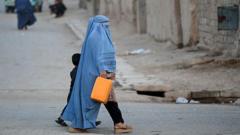
Afghan Women's Lives Dramatically Altered by Five Years of Taliban Governance
The experiences of Afghan women under Taliban rule have become increasingly dire, with countless reports documenting the systematic changes that have reshaped their daily existence. Over the past five years, women across the nation have endured unprecedented restrictions that have fundamentally altered how they live, work, and access essential services. Taliban rule has dismantled previous freedoms and opportunities, leaving many women struggling to navigate an environment that grows more restrictive each year.
Economic Hardship and Employment Barriers
One of the most significant impacts of Taliban rule on Afghan women involves widespread job loss and economic devastation. Many women who previously worked as teachers, healthcare professionals, government employees, and businesswomen have been forcibly removed from their positions. The loss of employment has created severe financial hardship for families dependent on women's income, pushing many into deeper poverty.
Professional opportunities that once existed have virtually disappeared under the current administration. Women face systematic exclusion from workplaces, with many sectors completely closed to female participation. This economic marginalization extends beyond government positions to private enterprises, where women encounter discriminatory hiring practices and workplace restrictions.
Public Punishment and Human Rights Violations
Reports of public floggings and corporal punishment have become disturbingly common under Taliban rule. Women subjected to these violations describe experiencing physical trauma and psychological distress from public humiliation. The implementation of harsh penalties for minor infractions has created an atmosphere of fear and control that permeates communities.
These public punishments serve as a mechanism of social control, designed to enforce compliance with increasingly strict behavioral codes. Women recount witnessing floggings in public squares and receiving threats of similar treatment for perceived violations of conduct regulations. The psychological impact of living under constant threat of physical punishment cannot be overstated.
Healthcare Crisis and Medical Access Restrictions
Perhaps most alarming are the barriers to healthcare that endanger women's lives and wellbeing. Women face severe restrictions when seeking medical treatment, with many hospitals limiting female access to healthcare services. The prohibition of male doctors treating female patients, combined with a shortage of female medical professionals, has created a critical healthcare gap.
Pregnant women and girls facing obstetric emergencies find themselves unable to access timely medical intervention. Maternal mortality rates have increased as a direct consequence of these restrictions. Women with chronic illnesses struggle to obtain necessary medications and treatments, often forced to forgo healthcare entirely due to mobility restrictions and treatment barriers.
Educational Opportunities Severely Limited
Access to education has become another casualty of Taliban rule for Afghan women. Girls are prohibited from attending secondary schools and universities, effectively cutting off educational pathways that were previously available. This educational blackout prevents young women from developing skills and pursuing professional advancement.
Women educators have lost their positions, eliminating role models and educational leaders in communities. The elimination of female education creates long-term consequences for economic development and family wellbeing, as women lack opportunities to improve their circumstances through learning and skill development.
Social Movement and Freedom Restrictions
Daily life has become increasingly constrained under Taliban rule, with women facing restrictions on where they can travel and who they can interact with. Mandatory burqa requirements limit women's visibility and autonomy in public spaces. Many women report feeling imprisoned within their homes, unable to move freely or engage in normal social activities.
The requirement for male guardians to accompany women in public has returned women to conditions seen decades earlier. This system of control restricts independence and perpetuates dependency relationships that undermine women's agency and decision-making authority.
Long-Term Impacts and Future Outlook
The cumulative effects of five years under Taliban rule have created a generation of Afghan women facing unprecedented challenges. Mental health crises, economic despair, and physical health emergencies characterize the current situation. Women express feelings of hopelessness about their futures under this governance structure.
Advocacy groups continue documenting violations and calling for international attention to the deteriorating conditions facing Afghan women. The international community remains divided on how to address the humanitarian crisis, while Afghan women continue enduring restrictions that show no signs of easing in the near term.


