Trump Administration Blocks New Chinese Humanoid Robot Imports
The Trump administration implements restrictions on new Chinese humanoid robots amid escalating US-China tech competition. Read how this impacts the robotics in...
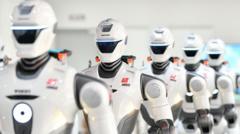
Trump Administration Takes Action Against Chinese Humanoid Robot Technology
In a significant move reflecting ongoing tensions in the technology sector, the Trump administration has announced new restrictions targeting Chinese humanoid robots entering the United States market. This decision represents another escalation in the intensifying competition between Washington and Beijing over dominance in robotics and artificial intelligence development.
Understanding the US-China Robotics Competition
The United States and China are engaged in a fierce competition to establish global leadership in robotics and artificial intelligence sectors. This technological race has become increasingly central to national security considerations, economic competitiveness, and innovation strategies for both superpowers. The ban on Chinese humanoid robots underscores the geopolitical dimensions underlying commercial technology development.
Why Humanoid Robots Matter
Humanoid robots represent a frontier technology with applications spanning manufacturing, healthcare, research, and consumer services. These sophisticated machines capable of performing human-like movements and tasks are viewed by both nations as critical components of future economic and military capabilities. The advanced artificial intelligence systems powering these robots are particularly valuable given their potential applications across multiple industries.
Strategic Implications of the Robot Import Ban
The Trump administration's decision to restrict Chinese humanoid robots reflects broader policy objectives aimed at protecting American technological sovereignty and limiting Beijing's access to key markets. By implementing these barriers, the administration seeks to prevent Chinese companies from gaining market advantages while simultaneously encouraging domestic robotics development and manufacturing.
Impact on the Technology Sector
This prohibition affects multiple stakeholders within the technology ecosystem. American robotics companies may benefit from reduced competition, potentially accelerating their development timelines. However, businesses previously reliant on Chinese robot imports for supply chain operations face significant disruptions requiring adaptation of their operational models.
The Broader Context of Tech Trade Tensions
These restrictions on Chinese humanoid robots form part of a comprehensive strategy addressing technology trade relationships between the two nations. Previous measures have targeted semiconductor exports, software restrictions, and intellectual property protections. Each action contributes to an evolving framework designed to reshape technological relationships and supply chains.
China's Response and Counter-Measures
Beijing has historically responded to American technology restrictions through reciprocal measures targeting American companies and investments. The Chinese government views such actions as protectionist barriers hindering fair competition and technological exchange. These tit-for-tat measures risk further deteriorating economic relationships and potentially disrupting global supply chains.
Investment and Development Implications
The ban on Chinese humanoid robots may redirect investment patterns within the global robotics industry. Companies previously focused on Chinese market penetration must reconsider their strategies, potentially reallocating resources toward markets outside the United States or enhancing domestic American robotics capabilities. Venture capital and corporate funding may shift toward supporting alternative technology sources and domestic innovation.
Future of Humanoid Robot Technology
Despite trade restrictions, development of humanoid robot technology continues advancing rapidly in both nations. The artificial intelligence underlying these systems represents generations of research investment and represents crucial competitive advantages. Long-term technological development trajectories remain steep, with both sides committed to achieving breakthrough innovations.
Global Market Considerations
While American importation of Chinese humanoid robots faces new restrictions, international markets remain open to these technologies. European, Asian, and developing nations continue engaging with Chinese robotics manufacturers. This geographic divergence creates distinct technological ecosystems with potentially different standards, capabilities, and regulatory frameworks governing robotics deployment and artificial intelligence applications.
The Trump administration's restrictions on Chinese humanoid robots exemplify the increasingly technology-focused nature of international competition. As artificial intelligence and robotics capabilities become more sophisticated and commercially valuable, governments worldwide are implementing protective measures and strategic policies. The outcome of this ongoing competition will significantly influence which nations lead the next generation of technological innovation and economic development.


