Trump administration push to end Manhattan congestion pricing illegal, judge rules
The Trump administration’s efforts to end congestion pricing in New York City were illegal, a federal judge ruled Tuesday. In his decision, Judge Lewis Liman fo...
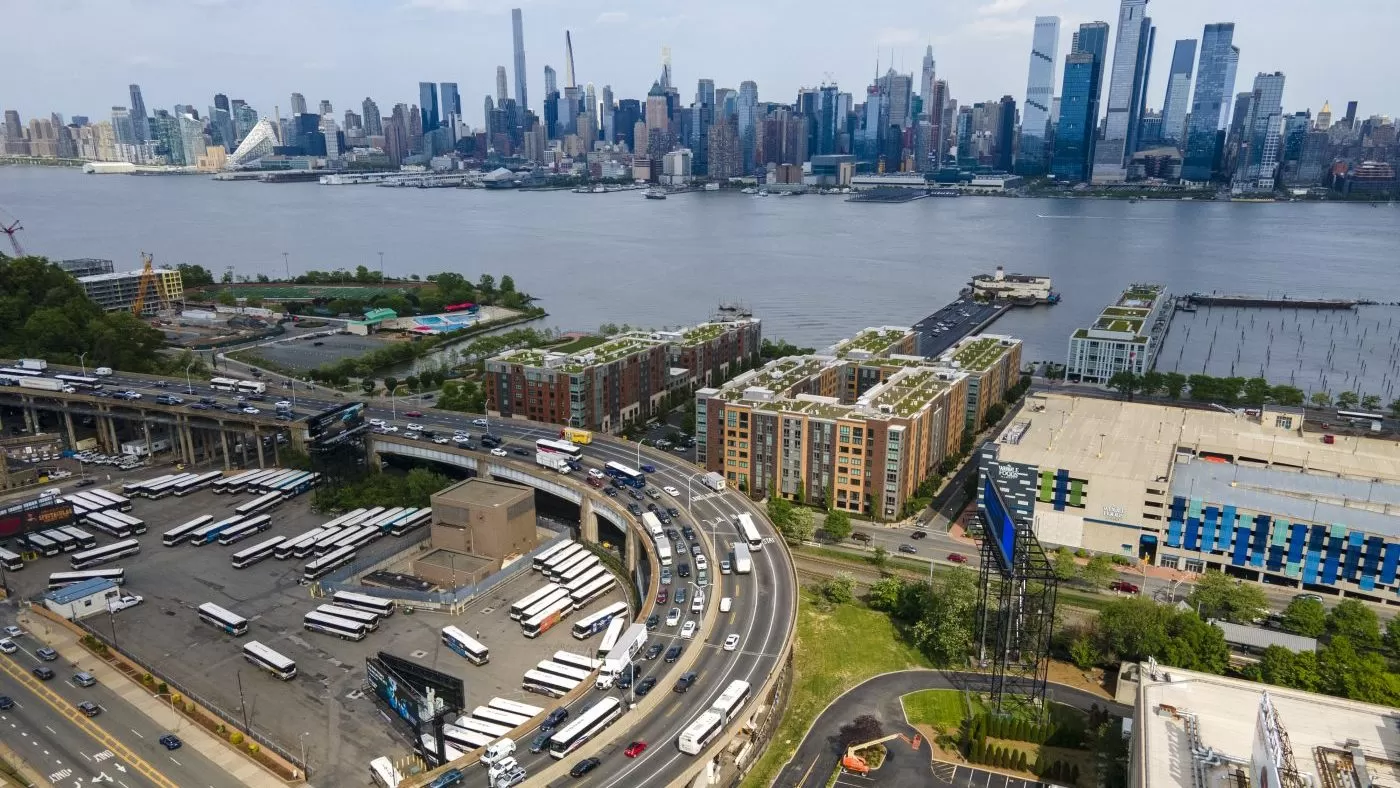
In a landmark ruling on Tuesday, a federal judge has put an end to the Trump administration's efforts to end congestion pricing in New York City. The program, which has been in place since last year, charges cars that enter a designated section of Manhattan with the aim of reducing traffic and air pollution in the downtown area. This decision by Judge Lewis Liman is a major victory for proponents of the program and a setback for opponents who have been challenging its legality.
Since its implementation, congestion pricing has proved to be a successful means of reducing traffic and improving air quality in other major cities like London and Singapore. Now, with this ruling, New York City can join the ranks of these cities and continue to reap the benefits of this innovative program.
The Trump administration's attempts to end congestion pricing in New York City were met with strong opposition from various groups and individuals who claimed that the program was illegal. However, Judge Liman's ruling has put to rest any doubts about the program's legality, allowing it to continue its important work of reducing congestion and pollution in downtown New York.
The concept of congestion pricing is simple yet effective. It involves charging a fee for vehicles entering a designated area during peak hours, with the fee being higher for larger and more polluting vehicles. The revenue generated from the fees is then used to improve public transportation in the city, thus providing commuters with a more efficient and eco-friendly alternative to driving. This not only reduces traffic but also improves air quality, making the city a healthier and more liveable place for its residents.
Opponents of the program have argued that it unfairly targets certain groups of people, such as those who cannot afford the fees or rely on driving for their livelihood. However, these arguments have been refuted by the successful implementation of similar programs in other cities. In fact, the revenue generated from congestion pricing can be used to provide subsidies for low-income individuals and businesses affected by the fees. This ensures that the program is fair and equitable for all.
Congestion pricing has also been met with resistance from those who believe that it is an infringement on their right to drive and a restriction on their freedom of movement. However, this line of thinking is outdated and fails to recognize the urgent need to address the issue of traffic and pollution in major cities like New York. As Judge Liman stated in his ruling, "the need to address traffic congestion and air pollution in downtown New York far outweighs any inconvenience caused by congestion pricing."
The benefits of congestion pricing are undeniable. Not only does it reduce traffic and improve air quality, but it also has a positive impact on the economy and the environment. With fewer cars on the road, businesses can operate more efficiently, reducing delivery and commute times. Moreover, the decrease in air pollution has a direct impact on public health and the environment.
New York City is known for being a hub of innovation and progress, and the implementation of congestion pricing is a testament to this. The program has been proven to be successful in cities around the world, and now, with Judge Liman's ruling, New York can continue to lead the way in finding sustainable solutions to urban challenges.
In conclusion, the federal judge's ruling to allow congestion pricing to continue in New York City is a significant step forward in the city's efforts to reduce traffic and improve air quality. This decision not only benefits the city's residents and businesses but also sets an example for other cities to follow. It is a positive outcome that will bring us one step closer to a greener, healthier, and more efficient New York City.