Trump Eyes AI Regulations Following OpenAI Security Breaches
Trump administration shifts stance on artificial intelligence governance after recent OpenAI hacking incidents, signaling potential new regulatory framework for...
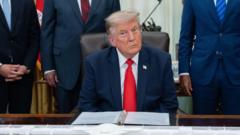
Shift in AI Policy Direction
The Trump administration is examining potential artificial intelligence governance measures following a series of significant security breaches involving OpenAI. This represents a notable departure from the administration's previous regulatory approach to emerging technologies, indicating growing concern about cybersecurity threats in the rapidly expanding AI sector.
Previous Stance on Technology Innovation
Historically, Trump's administration has maintained a largely permissive approach toward technological development and innovation. The hands-off methodology prioritized market-driven solutions and minimized government intervention in private sector operations. This philosophy reflected the broader belief that excessive oversight could hinder competitiveness and slow technological advancement critical to maintaining economic leadership.
The OpenAI Security Incidents
Recent hacking incidents targeting OpenAI have prompted serious reconsideration of this laissez-faire approach. The security breaches exposed vulnerabilities in AI infrastructure that could potentially compromise sensitive information, intellectual property, and user data. These incidents highlighted systemic risks within the artificial intelligence industry that may require coordinated government response.
Emerging Regulatory Framework
Officials within the administration are now evaluating specific AI controls and security standards that could be implemented across the sector. This potential regulatory shift encompasses cybersecurity protocols, data protection requirements, and risk management procedures. The artificial intelligence governance discussion includes considerations for balancing security needs with continued innovation and market competitiveness.
National Security Implications
The decision to examine AI regulations also reflects broader national security considerations. Advanced artificial intelligence technologies represent strategic assets with significant implications for defense, intelligence, and economic competition. Ensuring the security of AI systems has become increasingly important as these technologies integrate into critical infrastructure and government operations.
Industry Response
Technology companies and AI developers are closely monitoring the administration's position on potential AI controls. Industry stakeholders have expressed concern about regulatory uncertainty while simultaneously acknowledging the legitimacy of security concerns raised by recent breaches. The balance between appropriate safeguards and maintaining innovation remains a central point of discussion within the technology community.
Path Forward
The administration's reconsideration of AI policy suggests a more nuanced approach may emerge from current deliberations. Future artificial intelligence governance frameworks will likely incorporate security requirements while attempting to preserve the competitive advantages that rapid technological development provides. The outcome of these discussions could establish precedents for how the government manages emerging technologies and protects critical digital infrastructure.


