Trump Says He'd 'Love' United Ireland Now
US president Donald Trump expressed support for Irish unification during his visit to Ireland, stating it 'may as well happen now' and prompting UK government r...
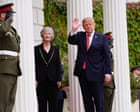
Trump's Unexpected Support for Irish Unification
During an official visit to the Republic of Ireland, US President Donald Trump expressed enthusiastic backing for Irish unification, declaring he would be delighted to witness a united Ireland emerge in the near future. His candid remarks regarding the prospect of a single Irish state marked a significant diplomatic moment, as the American leader suggested that reunification appears inevitable and might as well occur at present rather than in the distant future.
The president's comments about Irish unification represented an unanticipated intervention into one of Europe's most sensitive political matters. Trump's position came early during his two-day visit to the Irish Republic, signaling that the topic held considerable importance to his agenda during the stay.
Political Repercussions and Official Reactions
The Trump united Ireland statement triggered immediate and forceful responses from political leaders on both sides of the Irish Sea. The British government, through its official channels, promptly rejected the American president's perspective on the matter. Northern Ireland's unionist political establishment also moved swiftly to distance themselves from Trump's apparent endorsement of constitutional change on the island.
Unionist parties in Northern Ireland, historically opposed to reunification efforts, viewed Trump's comments as an unwelcome intrusion into what they consider an internal matter requiring careful constitutional processes. Their reactions underscored the deeply polarized nature of Irish unification debates and the competing national identities that characterize Northern Ireland's political landscape.
The Context of Trump's Ireland Visit
The American president's remarks emerged during a broader diplomatic engagement with the Irish state. His two-day visit encompassed various official meetings and public appearances, but his comments about Irish unification dominated headlines and political discourse throughout the period. The unexpected nature of these statements caught many political observers by surprise, given the traditional caution American presidents display regarding European constitutional matters.
Trump's characterization that unification would occur eventually, therefore becoming a question of timing rather than possibility, reflected a particular perspective on Irish history and political development. His assertion that reunification "may as well happen now" suggested the process was inevitable and should not be unnecessarily delayed.
International Implications and Diplomatic Tensions
The intervention highlighted the ways international figures occasionally wade into traditionally domestic political questions, sometimes creating diplomatic friction. The UK government's swift rebuttal emphasized that questions regarding Ireland's constitutional future remain matters for the Irish people to determine through proper democratic channels. Their response also stressed the importance of the Good Friday Agreement framework in managing Irish-British relations and Northern Ireland's constitutional status.
Trump's apparent backing for Irish unification raised questions about the appropriate role of foreign leaders in commenting on other nations' internal constitutional matters. Diplomatic observers noted that such statements, however casual or well-intentioned, can influence political dynamics and shape how various factions within fractious societies perceive international support for their positions.
Historical Context of Irish Reunification Debates
Irish unification has remained a central political objective for nationalists since the partition of Ireland in 1921. The establishment of Northern Ireland as a constituent part of the United Kingdom created ongoing tensions that periodically erupted into violence, particularly during the conflict known as "The Troubles" which lasted several decades. The Good Friday Agreement of 1998 established a framework for managing these tensions and provided mechanisms for potential future constitutional change if majority support existed.
Trump's comments touched upon aspirations held by Irish nationalists while simultaneously confronting the constitutional preferences of Northern Ireland's unionist population. The president's intervention thus engaged with one of the most enduring and emotionally charged political questions in contemporary European affairs.
Ongoing Constitutional Questions
The issue of Irish unification continues generating substantial political debate across the island and internationally. Demographic trends, economic considerations, and questions of national identity all factor into contemporary discussions about Ireland's constitutional future. Trump's statement, though unexpected, reflected ongoing international attention to this significant political matter and the varied perspectives different global leaders maintain regarding potential Irish reunification scenarios.