Trump Scales Back US-South Korea Military Drills Following Iran Tensions
Trump announces reduction in US-South Korea military exercises citing good North Korea ties. Learn how diplomatic relations shape defense strategy.
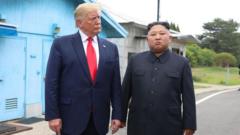
Trump Announces Reduction in US-South Korea Military Drills
President Donald Trump has declared that the United States intends to scale back military drills with South Korea, attributing this significant shift in defense policy to his administration's commitment to maintaining positive diplomatic channels. The decision to reduce Trump military drills South Korea operations represents a notable change in the long-standing security posture between the two allied nations.
Presidential Reasoning Behind the Decision
The American leader emphasized his "very good relationship" with North Korea's leadership as a determining factor in the choice to downsize joint military exercises. This diplomatic consideration has become increasingly influential in shaping the administration's approach to Korean Peninsula security matters. Trump's personal connections with Pyongyang officials have repeatedly factored into decisions affecting bilateral defense arrangements with Seoul.
Impact on US-South Korea Military Cooperation
The reduction in joint exercises marks a departure from decades of established military protocols between Washington and Seoul. These drills have historically served as demonstrations of allied strength and strategic coordination. By scaling back US South Korea military exercises, the administration signals a recalibration of its engagement strategy in Northeast Asia.
South Korea, as a critical ally in the region, has traditionally viewed these joint operations as essential components of its national security framework. The decision to minimize their scale reflects broader shifts in how the Trump administration weighs military posturing against diplomatic engagement with adversarial nations.
Trump's North Korea Engagement Strategy
The President's commitment to fostering what he describes as positive Trump North Korea relations has consistently influenced policy decisions regarding military presence and exercises on the peninsula. This approach differs substantially from previous administrations, which maintained robust training operations regardless of diplomatic considerations with Pyongyang.
The emphasis on relationship-building with North Korean leadership has become a defining characteristic of the current administration's foreign policy approach. By linking military exercise reductions to improved ties with the regime, Trump attempts to incentivize continued dialogue and reduce regional tensions.
Strategic Implications for Regional Security
The shift toward military cooperation reduction raises questions about the long-term security calculus in East Asia. Military experts and policymakers have expressed varying perspectives on whether diminished joint training enhances or compromises regional stability. The exercises traditionally served multiple purposes: maintaining readiness, demonstrating allied commitment, and deterring aggressive actions from hostile actors.
Proponents of the reduction argue that lower military visibility may facilitate diplomatic progress and reduce provocative signals to North Korea. Critics contend that scaled-back operations could undermine South Korea's preparedness and convey weakness to potential adversaries who might exploit perceived divisions between allied powers.
Historical Context of Joint Military Operations
For decades, the United States and South Korea have conducted regular joint military exercises designed to enhance interoperability, test defensive capabilities, and maintain readiness against potential threats. These operations have been cornerstone elements of the security alliance established following the Korean War armistice in 1953.
The reduction represents one of the most significant alterations to this traditional framework in recent history. Previous administrations, across both political parties, maintained consistent support for these exercises as essential components of the broader deterrence architecture protecting South Korea from North Korean aggression.
Balancing Defense with Diplomatic Strategy
The administration's decision reflects an attempt to balance traditional security obligations with a new diplomatic defense strategy that prioritizes direct engagement over military demonstrations. This approach challenges conventional wisdom about how alliances maintain their strength and effectiveness.
South Korean officials have navigated this policy shift carefully, maintaining their own separate military preparations while accommodating American decisions regarding joint operation scaling. The reduction in exercises does not eliminate US military presence in South Korea, which remains substantial with tens of thousands of American troops stationed throughout the country.
Looking Forward
The decision to downsize joint military drills appears part of a broader strategic recalibration that will continue shaping American-East Asian relations. Whether this approach ultimately strengthens or weakens regional security arrangements will depend on how diplomatic initiatives with North Korea progress and whether North Korea responds positively to reduced military pressure.
The implications of this policy shift will likely influence defense discussions between Washington and Seoul for years to come, with both nations carefully monitoring whether reduced military exercises correlate with improved stability or increased strategic vulnerability on the Korean Peninsula.


