Trump Threatens Investigation Into EU Tech Fines Against US Giants
Trump pledges investigation into EU fines against Google, Apple, Meta and Amazon. US president demands reversal of tech penalties imposed by European regulators...
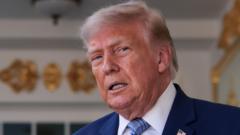
Trump Launches Probe Into European Tech Regulatory Penalties
The United States president has announced plans to launch a comprehensive investigation into what he describes as unfair EU tech fines investigation practices targeting major American technology corporations. The administration is specifically focused on examining sanctions imposed against Google, Apple, Meta, and Amazon, asserting that these penalties represent an unjust treatment of American businesses operating within European markets.
Presidential Directive on Fines Reversal
According to statements from the White House, Trump has declared that all existing fines levied against these four technology giants should be "entirely reversed." This position reflects growing tensions between Washington and Brussels over regulatory approaches to digital platforms and market competition enforcement mechanisms.
Scale of Financial Penalties Under Scrutiny
The European Union has imposed substantial financial penalties on American tech companies over recent years through various investigations and rulings. These actions were initiated under European antitrust regulations and data protection laws, with authorities claiming that major US technology firms engaged in anti-competitive practices and violated consumer privacy standards. The fines accumulated to billions of euros across multiple enforcement actions.
Administration's Strategic Response
The Trump administration's decision to investigate these regulatory actions represents a significant escalation in the ongoing transatlantic dispute over technology sector governance. The president's commitment to reverse these penalties indicates a protective stance toward domestic tech corporations and a challenging stance toward European regulatory authority.
Officials within the executive branch have suggested that such investigations could potentially form the basis for retaliatory trade measures or diplomatic pressure against the European Union. This approach aligns with the administration's broader "America First" economic policy framework.
International Trade Implications
The investigation into EU tech fines investigation protocols could have substantial ramifications for trade relations between the United States and Europe. Both regions maintain significant economic interdependencies, particularly within the technology sector, where American companies generate considerable revenue from European operations.
Analysts suggest that any escalation resulting from this investigation could lead to countermeasures from Brussels, potentially affecting European companies operating in American markets or disrupting technology partnerships between transatlantic businesses.
Context of Broader Regulatory Disputes
This development occurs within a larger context of disagreement over how technology platforms should be regulated globally. The European Union has established itself as an aggressive regulator of large technology companies through enforcement of the Digital Markets Act and General Data Protection Regulation, while the United States has traditionally adopted a lighter regulatory touch regarding internet platforms.
The competing regulatory philosophies have created friction points, with American policymakers frequently characterizing European fines as discriminatory toward US companies and motivated by protectionist impulses rather than legitimate competition concerns.
Forward-Looking Considerations
The administration's investigation promises to examine the justifications provided by European regulators for each major fine imposed on Google, Apple, Meta, and Amazon. This review could take several months and might influence how the United States approaches its own technology regulation policies in coming years.
Business leaders in the technology sector have responded to these developments with cautious optimism, though many express concerns about potential trade escalation that could harm their international operations. The coming weeks will likely determine whether this investigation remains a diplomatic statement or evolves into concrete policy action with tangible economic consequences for transatlantic commerce.


