Trump's Childhood Vaccine Plan: Impact on US Health
Trump's executive order changes childhood vaccine recommendations, replacing combined shots with separate doses. Experts analyze potential health impacts and di...
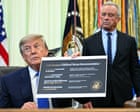
Trump Administration Reshapes Childhood Vaccine Recommendations
The Trump administration has issued a significant executive order that fundamentally alters how childhood vaccine recommendations will be implemented across the United States. Trump's childhood vaccine recommendations mark a substantial departure from established immunization protocols, raising important questions about public health implications, scientific validity, and potential consequences for disease prevention nationwide and internationally.
This presidential action seeks to implement what officials describe as "gold-standard" vaccination protocols, though the specific changes outlined represent a significant reduction in the number of recommended vaccines for American children and substantial modifications to existing immunization schedules.
Key Changes to Vaccination Protocol
The proposed modifications include several major alterations to current pediatric immunization practices. Combined vaccines, particularly the measles, mumps and rubella (MMR) vaccine, would be separated into three individual injections rather than administered as a single shot. Additionally, the executive order mandates that all childhood immunizations be given during separate medical visits whenever feasible, fundamentally changing how vaccination clinics and pediatric practices operate.
These changes would result in fewer vaccines being recommended overall, representing the most comprehensive restructuring of childhood vaccination policy in decades. The administration argues these modifications align with what they consider optimal vaccination practices.
Scientific Evidence Behind the Policy
Medical experts and public health organizations have expressed concern about the scientific foundation supporting Trump's childhood vaccine recommendations. The established medical consensus, developed through decades of research and clinical observation, demonstrates that combined vaccines are both safe and effective. The CDC, American Academy of Pediatrics, and numerous independent studies have consistently validated the safety profile of combination vaccines.
Separating vaccines into individual doses increases the number of injections children receive while providing no additional health benefits. This approach contradicts evidence-based medicine and expert recommendations developed through rigorous scientific evaluation. The separation of the MMR vaccine, in particular, has prompted concern given the well-documented safety and efficacy of this combination immunization.
Potential Impact on Vaccination Rates
Public health analysts anticipate that implementing Trump's childhood vaccine recommendations could significantly reduce vaccination rates among American children. Several factors contribute to this concern. Requiring separate medical visits for each vaccine increases the burden on families, as parents must schedule multiple appointments rather than completing multiple immunizations during a single visit. This logistical challenge may discourage some families from completing vaccination schedules, particularly those with limited access to healthcare or time constraints.
Additionally, more injection appointments could increase parental hesitancy, as some families may choose to delay or avoid vaccines when faced with multiple separate visits. Insurance coverage and healthcare system capacity may also be strained by requirements to administer vaccines separately, creating additional barriers to immunization.
Disease Resurgence Concerns
Public health officials warn that lower vaccination rates resulting from Trump's childhood vaccine recommendations could create conditions favorable for preventable disease outbreaks. Measles, mumps, and rubella have largely been controlled in developed nations due to high vaccination coverage rates, typically exceeding 95 percent. These diseases caused significant childhood mortality and morbidity before vaccines became available.
If vaccination rates decline due to increased scheduling complexity and other barriers, disease transmission patterns could change dramatically. Measles, highly contagious and capable of spreading rapidly through unvaccinated populations, poses particular concern. Previous outbreaks have demonstrated how quickly diseases can spread when community immunity falls below critical thresholds.
International Implications
The global health community watches American vaccination policy closely, as the United States significantly influences international health standards and practices. If Trump's childhood vaccine recommendations gain implementation, other nations might adopt similar approaches, potentially weakening global disease control efforts. Coordinated immunization programs across borders depend on compatible vaccination strategies and comparable coverage rates.
Developing nations particularly depend on guidance from established health authorities, making American policy shifts consequential for worldwide immunization campaigns. Organizations like the World Health Organization have cautioned that inconsistent vaccination approaches across countries complicate disease surveillance and prevention efforts.
Healthcare System Implementation Challenges
Hospitals, clinics, and pediatric practices face substantial operational challenges implementing Trump's childhood vaccine recommendations. Current infrastructure optimizes vaccine administration during consolidated visits, reducing wait times and increasing efficiency. Separating vaccines requires restructuring appointment systems, staff scheduling, and vaccine storage protocols.
Healthcare providers must also educate patients about policy changes while maintaining vaccination rates despite increased complexity. Many pediatricians have expressed concerns about feasibility and potential negative health outcomes from implementing these recommendations.
Looking Forward
The implementation of Trump's childhood vaccine recommendations will proceed through regulatory processes and healthcare system adaptation. Public health agencies, medical associations, and vaccine manufacturers will respond to these policy changes with varying approaches. Monitoring vaccination rates, disease incidence, and healthcare system impacts will provide important data about real-world consequences. The coming months and years will reveal whether these recommendations achieve stated health objectives or generate unintended consequences for American children and public health infrastructure.