Tupac Case: Suspect Confessed Nephew Fired Fatal Shots in 2008
Tupac murder case breakthrough: Duane Davis told police in 2008 his nephew fired the fatal shots. New recording evidence presented to jury.
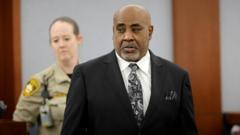
Critical Breakthrough in Tupac Murder Investigation
The Tupac murder case has witnessed a significant development after decades of uncertainty. During recent court proceedings, investigators presented a crucial recording of an interview between suspect Duane Davis and police detectives, revealing startling details about the 1994 shooting that claimed the legendary rapper's life. The recorded testimony, which dates back to 2008, provides prosecutors with potentially incriminating evidence as they build their case against Davis, who now faces charges related to the iconic artist's death.
The 2008 Police Interview: What Davis Claimed
The recording played to the jury documented Davis's own statements to law enforcement authorities more than a decade ago. According to the Tupac murder case developments, Davis allegedly told detectives that his nephew was responsible for firing the fatal shots that killed the rapper in Las Vegas. This confession, captured on audio during the 2008 interrogation, became a centerpiece of the prosecution's argument. The jury heard Davis's voice directly, eliminating any ambiguity about witness interpretation or memory lapses regarding what was said during the critical interview.
Significance of the Recorded Testimony
The presentation of this audio recording marks a turning point in a rapper homicide investigation that has remained largely dormant for nearly three decades. By allowing the jury to hear Davis's own words rather than relying solely on detective testimonies, prosecutors aimed to strengthen their case with direct evidence. The authenticity and clarity of the recording provided the court with an unfiltered account of Davis's statements, which he allegedly made voluntarily to police investigators during the 2008 interview.
The Tupac Murder Case Timeline
The murder of Tupac Shakur occurred on September 7, 1994, in Las Vegas, Nevada, becoming one of the most notorious unsolved Los Angeles crime mysteries in American history. For years, the case remained cold, with no arrests or convictions. The rapper's death shocked the music industry and sparked widespread speculation about motives, suspects, and potential connections to East Coast-West Coast hip-hop rivalries. Decades later, law enforcement finally moved forward with charges based on new information and renewed investigative efforts.
Previous Investigation Challenges
The extended gap between the 1994 murder and the recent arrests reflects the complexity of the investigation. Witnesses were difficult to locate or reluctant to cooperate, evidence degraded over time, and the case slipped into the category of hip hop unsolved murders that captivated public imagination for generations. The breakthrough came when authorities obtained new leads and decided to pursue the case with fresh determination, ultimately leading to Davis's arrest and indictment.
Current Court Proceedings and Evidence
The courtroom presentation of Davis's 2008 recorded interview represents a critical moment in the prosecution's strategy. By introducing the audio directly to the jury, prosecutors ensured that jurors could assess Davis's credibility, tone, and demeanor as he spoke about the alleged involvement of his nephew. The recording preserves the original context of the statements, preventing any claims that law enforcement misrepresented or altered his words. This direct evidence approach strengthens the prosecution's case in the ongoing Tupac murder case proceedings.
Defense Counterarguments
Davis's legal team has the opportunity to challenge the reliability and admissibility of the 2008 recording. Defense attorneys may argue that statements made sixteen years before the arrest were obtained under questionable circumstances, lack context, or represent coerced confessions. They might contend that Davis was not properly advised of his rights or that the interview circumstances were inherently coercive. These arguments form part of the standard defense strategy in criminal cases involving recorded police interviews.
Impact on Hip-Hop History and Culture
The potential resolution of Tupac's murder carries immense significance beyond the courtroom. The case has influenced rapper homicide investigation procedures nationwide and sparked countless documentaries, books, and cultural discussions. Tupac's death, along with that of The Notorious B.I.G. six months later, defined an era of hip-hop violence and sparked conversations about gang culture, media influence, and artist safety. Justice in this case would provide closure to Tupac's family and fans who have awaited resolution for nearly thirty years.
The Road Forward
As the trial progresses, the jury will weigh the 2008 recorded statement alongside other evidence presented by prosecutors and defense attorneys. The outcome of the Tupac murder case will depend on how effectively prosecutors establish Davis's involvement and liability, while the defense raises reasonable doubt about the charges. This landmark trial represents a potential turning point in one of America's most famous unsolved crime cases, offering the possibility of long-awaited justice and closure for those affected by the rapper's untimely death.


