UK Emergency Stockpile Campaign Boosts Tinned Food Sales
UK government's emergency preparedness advice drives surge in bottled water and tinned food sales as households stockpile for 72-hour emergencies.
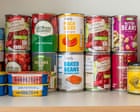
Government Emergency Campaign Triggers Retail Surge in Essential Supplies
The United Kingdom has witnessed a remarkable spike in tinned food sales and emergency supply purchases following an official government initiative encouraging households to prepare for potential crises. The Be Ready campaign, unveiled recently by UK authorities, has prompted millions of residents to reassess their emergency preparedness strategies and invest in essential supplies designed to sustain families during unforeseen disruptions.
Retailers across the nation have documented significant increases in consumer spending on tinned food sales, bottled water, wind-up radios, and battery-powered torches. This surge reflects growing public awareness about the importance of maintaining emergency reserves, particularly given rising concerns about extreme weather events and potential infrastructure vulnerabilities.
The Be Ready Campaign: Government's Emergency Preparedness Initiative
The Be Ready campaign represents a coordinated effort by the UK government to enhance national resilience against various emergency scenarios. The initiative emphasizes the critical importance of household emergency preparedness, recommending that families maintain sufficient supplies to sustain themselves for a minimum of 72 hours during periods when normal supply chains might be disrupted.
This government-backed approach addresses multiple potential risks, including severe weather conditions, natural disasters, and cyber-related infrastructure threats that could impact essential services. By encouraging proactive household planning, authorities aim to reduce dependency on emergency services during crisis periods and foster a culture of personal preparedness throughout the nation.
Retail Response to Heightened Emergency Awareness
Department stores, supermarkets, and specialty retailers have reported unprecedented demand for emergency-related products. Beyond tinned food sales, consumers are actively purchasing bottled water in bulk quantities, recognizing the essential need for hydration during emergencies when tap water supplies might become compromised.
Wind-up radios have become particularly sought-after items, as they provide reliable communication access without depending on electricity or batteries. Similarly, torch sales have accelerated dramatically, with consumers understanding that backup lighting solutions are fundamental components of any comprehensive emergency kit. These purchases demonstrate that households are taking a holistic approach to emergency preparedness rather than focusing solely on food supplies.
Types of Emergency Scenarios Driving Consumer Behavior
The surge in tinned food sales and related emergency products reflects concerns about multiple potential disruption scenarios. Extreme weather events, including severe storms, flooding, and unusually harsh winters, represent tangible threats that UK households recognize as increasingly probable.
Additionally, growing awareness about cyber-attacks targeting critical infrastructure has prompted consumers to consider scenarios where power outages or communication breakdowns might occur. Such events could disrupt supply chains, limit access to shops, and restrict normal utility services, making pre-positioned emergency supplies invaluable.
The 72-Hour Emergency Supply Framework
The government's recommendation for maintaining 72-hour emergency supplies reflects emergency management best practices established internationally. This timeframe assumes that outside assistance, emergency services mobilization, and supply chain restoration typically occur within three days of major disruptions.
Tinned food sales have focused particularly on products offering nutritional value, long shelf life, and minimal preparation requirements. Consumers are selecting items that provide adequate calories and essential nutrients without depending on cooking facilities that might become unavailable during emergencies.
Consumer Buying Patterns and Product Selection
Analysis of retail transactions reveals that households are adopting systematic approaches to emergency preparedness. Families are purchasing diverse tinned food varieties, including vegetables, legumes, meat products, and fruit, ensuring nutritional balance across their emergency reserves.
Bottled water consumption recommendations suggest that households require approximately one liter per person daily for drinking and basic sanitation. Consequently, consumers are calculating requirements based on family size and purchasing proportionally scaled quantities.
Beyond nutrition and hydration, consumers recognize the psychological value of maintaining communication and information access. Wind-up radios represent relatively inexpensive investments that guarantee access to emergency broadcasts, weather updates, and official guidance without depending on functional electricity infrastructure.
National Preparedness and Resilience Building
The Be Ready campaign represents a significant shift in how UK authorities approach national resilience. Rather than relying exclusively on government emergency response capabilities, this initiative distributes preparedness responsibility across individual households, creating a more resilient society overall.
By encouraging tinned food sales and emergency supply stockpiling at the household level, the government effectively reduces pressure on emergency services during actual crisis events. This decentralized approach means that resources remain available for vulnerable populations and critical interventions.
The campaign's success, evidenced by surging retail sales, indicates substantial public acceptance of emergency preparedness principles and recognition of real vulnerabilities in modern infrastructure systems.