UK Summer 2026 Could Become Hottest Season Ever Recorded
Summer 2026 may become UK's hottest on record. The Met Office confirms only average August temperatures are needed to surpass 2025's peak heat records.
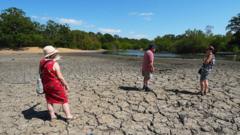
UK Summer 2026 Projected to Break Historic Heat Records
Meteorologists at the UK's premier weather authority have issued projections suggesting that UK summer 2026 could emerge as the warmest season documented in the nation's climate history. According to preliminary assessments from forecasters, only typical atmospheric conditions during the final month of summer would be sufficient to eclipse the previous benchmark established during the exceptionally warm period of 2025.
What the Records Reveal About Recent Climate Patterns
The nation has witnessed an extraordinary succession of temperature extremes over recent years, with 2025 establishing a record that many believed would stand for decades. However, scientists monitoring weather developments throughout 2026 indicate that current thermal conditions could potentially surpass even that remarkable achievement. The trajectory of this season demonstrates the increasingly persistent nature of elevated temperatures across the British Isles.
August's Critical Role in Determining Final Outcomes
The remaining weeks of August represent the decisive period for whether UK summer 2026 achieves record-breaking status. Meteorological analysis suggests that average temperature patterns—not even exceptionally warm conditions—would be sufficient to propel the season beyond the 2025 benchmark. This projection underscores how consistently elevated the overall seasonal temperatures have been throughout June and July.
Understanding the Met Office's Assessment Methodology
The Met Office conducts rigorous analysis of temperature data compiled from weather stations across the United Kingdom. Their evaluation incorporates measurements from numerous monitoring points to establish comprehensive seasonal averages. When forecasters state that only average conditions are necessary, they are drawing conclusions based on sophisticated meteorological models and actual recorded temperatures accumulated throughout the preceding months of summer 2026.
Climate Implications and Scientific Significance
The potential achievement of UK summer 2026 hottest seasonal record carries substantial implications for climate science and environmental policy discussions. Consecutive record-breaking years in major regions serve as tangible indicators of broader planetary heating trends. Scientists emphasize that such patterns warrant serious consideration regarding atmospheric composition changes and their meteorological consequences.
Historical Context and Comparative Analysis
The 2025 record, which dominated weather discussions throughout that year, held the distinction of being the warmest summer previously documented in British climate records. That it could be surpassed merely twelve months later demonstrates the intensity of recent climatic shifts. Meteorological archives spanning centuries provide context for these contemporary measurements, revealing the unprecedented nature of sustained high temperatures.
What Average Conditions Mean for Late Summer
When meteorological professionals reference average conditions as sufficient to break records, they indicate that temperatures need not reach extreme peaks during August. Rather, consistent warmth at or near seasonal norms would accumulate with existing heat from earlier months to produce the record-setting outcome. This distinguishes the current scenario from situations where exceptional heat waves are required to achieve benchmarks.
Looking Ahead: Monitoring the Remainder of Summer 2026
Weather enthusiasts, climate researchers, and policy makers will monitor atmospheric developments closely as August progresses. The Met Office will continue issuing detailed forecasts and updates regarding temperature trajectories and precipitation patterns. Final confirmation of whether UK summer 2026 becomes the hottest recorded season will arrive only after comprehensive seasonal analysis concludes in early autumn.
The significant implications of this potential record extend beyond meteorological interest, influencing broader conversations about environmental sustainability, climate adaptation strategies, and long-term weather trend analysis across the United Kingdom and internationally.


