Unnecessary Breast Removals at NHS Trust: 20 Women Harmed
20 women had unnecessary breast removals at County Durham and Darlington NHS trust. Hundreds of cancer patients suffered harm during breast unit treatment in no...
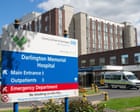
Unnecessary Breast Removals Revealed at Major NHS Trust
An alarming investigation has uncovered that unnecessary breast removals at an NHS facility affected multiple women undergoing cancer treatment. The County Durham and Darlington foundation trust (CDDFT) has confirmed that unnecessary breast removals were performed on twenty patients, marking a significant breach in clinical protocols and patient care standards at its specialized breast unit located in north-east England.
The discovery of these unnecessary breast removals represents one of the most serious patient safety incidents in recent NHS history. These women were among hundreds of patients who experienced harm while receiving treatment at the trust's breast unit, according to official communications the trust provided to media outlets investigating the scandal.
Scale of the Patient Safety Crisis
The scope of unnecessary breast removals extends beyond the initial twenty cases that have been publicly identified. Health authorities have indicated that the total number of patients affected by inadequate care and mismanagement at the breast unit could reach several hundred individuals. This broader population of affected patients raises questions about systemic failures in clinical oversight and quality assurance protocols.
The unnecessary breast removals were not isolated incidents but rather appeared to be symptomatic of deeper organizational and clinical problems within the institution. Investigators have begun examining how such significant deviations from established surgical guidelines and best practices were able to occur without triggering immediate intervention or escalation procedures.
Investigation and Official Response
Following the revelation of unnecessary breast removals, the CDDFT has been cooperating with regulatory bodies and health oversight organizations to understand how these procedures were authorized and performed. The trust's acknowledgment of the unnecessary breast removals to the BBC represents a crucial moment in transparency regarding the incident.
Officials at the foundation trust have expressed commitment to conducting a comprehensive review of all breast unit operations during the period when unnecessary breast removals occurred. This review will examine surgical decision-making processes, clinical governance structures, and the implementation of safety protocols designed to prevent such outcomes.
Impact on Affected Patients
The women who underwent unnecessary breast removals face long-term physical and psychological consequences from procedures that should never have been performed. Beyond the immediate surgical trauma, these patients must contend with the emotional and psychological burden of knowing their treatment deviated significantly from appropriate clinical standards.
Survivors of unnecessary breast removals have become advocates for systemic change within the NHS, demanding improved oversight mechanisms and more rigorous clinical governance standards. Their experiences highlight the critical importance of second-opinion protocols and multi-disciplinary review boards in cancer treatment decisions.
Broader Implications for NHS Cancer Care
The unnecessary breast removals scandal at the CDDFT raises concerns about similar potential issues at other NHS facilities. Cancer care oversight mechanisms across the country are now under scrutiny, with health authorities examining whether comparable lapses in clinical governance exist elsewhere in the NHS network.
The incident has prompted calls for enhanced mandatory review processes for all surgical interventions in cancer treatment, ensuring that unnecessary breast removals and similar serious deviations from appropriate care become virtually impossible. Regulatory bodies are evaluating whether current frameworks provide sufficient protection for vulnerable cancer patients.
Path Forward and Accountability
Moving forward, the CDDFT and NHS leadership face pressure to implement meaningful reforms addressing the factors that enabled unnecessary breast removals to occur. Compensation discussions and support services for affected women are being established as part of the institutional response to this healthcare failure.
The unnecessary breast removals case serves as a stark reminder of the importance of clinical accountability, patient advocacy, and rigorous oversight in specialized healthcare settings. As investigations continue, the focus remains on ensuring that similar incidents do not occur at other NHS facilities and that affected patients receive appropriate support and redress.