US Helicopter Strikes Ship Engine in Gulf of Oman Amid Iran Tensions
US Central Command reports helicopter missile strike on Panama-flagged cargo vessel in Gulf of Oman. Key details about the operation and regional maritime secur...
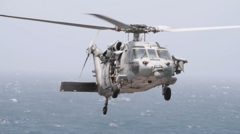
Helicopter Military Operation in Strategic Waters
The United States military has confirmed that a US helicopter strikes cargo vessel operations occurred in the Gulf of Oman, targeting a Panama-flagged cargo vessel. According to officials from US Central Command, the helicopter successfully deployed missiles aimed at disabling the vessel's critical infrastructure, specifically its engine room facilities.
Details of the Incident
US Central Command officials detailed that the helicopter engaged the Panama-flagged cargo vessel with precision-guided weaponry. The primary objective of the military operation centered on preventing the ship from breaching existing maritime restrictions in the region. The targeting of the engine room represented a calculated approach designed to immobilize the vessel without causing catastrophic damage.
Strategic Location and Significance
The Gulf of Oman serves as one of the world's most critical maritime corridors, connecting international waterways to major global trade routes. The area has witnessed increased military presence from various nations, particularly regarding enforcement of sanctions and blockade measures. This particular incident underscores ongoing tensions regarding maritime commerce and regional security protocols.
US Central Command Response
Military representatives emphasized that the operation was conducted within established rules of engagement and international maritime law frameworks. US Central Command stated that the helicopter mission aimed at enforcing existing blockade measures designed to restrict unauthorized maritime activity in the region. Officials maintained that the action represented a necessary response to prevent violations of established maritime restrictions.
Operational Parameters
The helicopter deployment showcased advanced military capabilities, utilizing precision targeting systems to strike specific vessel components. Rather than inflicting widespread destruction, the operation targeted infrastructure essential to the Panama-flagged cargo vessel's propulsion systems. This selective approach reflected military doctrine emphasizing proportional response and controlled escalation in sensitive regional contexts.
International Maritime Context
The incident occurs within a broader pattern of heightened maritime security concerns in the Middle East. The Gulf of Oman region has become increasingly significant for international commerce, with numerous vessels transiting through these waters daily. Military operations in this area generate considerable concern among commercial shipping companies and insurance providers operating in the region.
Blockade Enforcement Mechanisms
The Panama-flagged cargo vessel reportedly attempted to circumvent established maritime blockade measures. Such blockades typically restrict the movement of goods and materials intended for specific destinations or entities. The helicopter strike represented enforcement action taken to prevent the vessel from breaching these restrictions and continuing its voyage.
Regional Tensions and Security Implications
Tensions surrounding maritime activity in the Gulf of Oman have intensified over recent years, reflecting broader geopolitical conflicts affecting the Middle East. The presence of military vessels and increased surveillance operations has created a complex environment for commercial shipping. This particular incident involving the Panama-flagged cargo vessel demonstrates the real-world consequences of attempting to circumvent established maritime enforcement zones.
International Response Framework
Various international maritime authorities have expressed concerns regarding incidents affecting commercial vessels in the Gulf of Oman. Shipping industry representatives have called for clarification regarding safe passage protocols and the establishment of clearly defined maritime corridors. The helicopter strike on this cargo vessel raises questions about vessel identification procedures and verification protocols during enforcement operations.
Technical and Military Aspects
The successful targeting of the Panama-flagged cargo vessel's engine room demonstrated sophisticated military capabilities. Precision-guided missiles employed in the operation required accurate targeting data and real-time adjustment capabilities. The helicopter deployment reflected advanced coordination between air assets and command centers responsible for monitoring the Gulf of Oman region.
Damage Assessment
Following the helicopter strike, the cargo vessel reportedly sustained significant damage to its propulsion systems, effectively disabling its ability to navigate independently. Engine room damage from missile impacts typically requires extensive repairs and expert technical assessment before vessels can resume operations. The extent of structural damage would necessitate comprehensive inspections by naval engineers.
Conclusion
The US helicopter strikes against the Panama-flagged cargo vessel in the Gulf of Oman represent a significant military enforcement action regarding maritime blockade compliance. US Central Command's confirmation of the operation underscores ongoing commitment to maintaining regional maritime security and enforcing established restrictions on unauthorized commercial shipping activity in contested waters.


