Virgin to Operate Channel Tunnel Services with European Rail Expansion
Virgin Eyes Channel Tunnel Rail Operations: Planning Up to 20 Daily European Journeys Pending Track Approvals
Virgin Pursues Channel Tunnel Rail Services Expansion
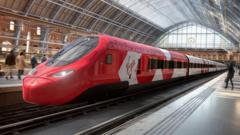
Virgin has taken a significant stride forward in its ambitious plans to establish Channel Tunnel rail services, marking a crucial development in the company's European transport strategy. The transportation operator is seeking regulatory approval to operate frequent connections across the English Channel, with aspirations to launch up to 20 daily journeys linking the United Kingdom with continental Europe. However, this expansion hinges on obtaining the necessary authorizations for operating along overseas rail tracks, a process that requires coordination with multiple European regulatory bodies.
Daily Service Projections and Route Planning
The proposed Channel Tunnel rail services would represent a substantial increase in passenger capacity on this vital international corridor. Virgin's vision encompasses approximately 20 daily journeys, demonstrating the company's confidence in market demand for improved rail connectivity between Britain and Europe. These services would facilitate seamless travel for business professionals, leisure travelers, and commuters seeking faster alternatives to conventional ferry services and aviation options.
Infrastructure and Operational Requirements
Operating through the Channel Tunnel requires comprehensive infrastructure assessments and compliance with stringent safety protocols. Virgin must navigate complex approval processes involving British and French authorities, alongside other European nations whose rail networks would accommodate these services. The company's application includes detailed operational plans, safety measures, and technological specifications necessary for managing high-frequency international rail operations.
Regulatory Framework and International Approvals
The path toward establishing Channel Tunnel rail services involves multiple layers of governmental and organizational oversight. Virgin has indicated that securing additional approvals for overseas tracks represents the primary hurdle in advancing this project. These approvals encompass technical certifications, safety compliance verification, and commercial licensing agreements with European railway operators and infrastructure managers.
Cross-Border Coordination Challenges
Operating international rail services requires unprecedented coordination between transportation authorities across different nations. Virgin must establish agreements with rail network operators in France, Belgium, and potentially other European countries to ensure seamless connections and standardized operational protocols. This multinational approach demands careful negotiation of track access rights, scheduling priorities, and revenue-sharing arrangements.
Market Opportunity and Economic Impact
The proposed Channel Tunnel rail services align with European Union directives promoting sustainable, cross-border transportation infrastructure. By offering reliable daily journeys through the Channel Tunnel, Virgin aims to capture market share from existing operators while providing competitive alternatives to rival transport modes. Increased rail capacity would generate employment opportunities throughout the UK and European sectors, strengthen economic ties between nations, and reduce environmental impact compared to conventional transportation methods.
Competitive Positioning
Virgin's initiative to expand Channel Tunnel operations reflects growing interest in modernizing international rail connectivity. Current services primarily focus on Eurostar operations, which maintain near-monopolistic status on passenger rail through the Channel Tunnel. Virgin's proposed 20 daily journeys would substantially increase competition, potentially driving service improvements and fare reductions for consumers across the international rail market.
Timeline and Implementation Strategy
While Virgin has advanced its proposal significantly, completing necessary regulatory hurdles requires ongoing dialogue with transport authorities. The company's approval process involves detailed environmental assessments, financial viability studies, and safety certifications that must satisfy both British and European standards. Industry analysts anticipate that full authorization and service commencement could extend several years, contingent upon successful navigation of overseas track approval requirements.
Investment and Infrastructure Development
Establishing viable Channel Tunnel rail services necessitates substantial capital investment in rolling stock acquisition, maintenance facilities, and operational infrastructure. Virgin's commitment to this expansion demonstrates confidence in long-term demand for efficient international rail travel. The company's involvement signals broader industry recognition that premium Channel Tunnel rail services represent commercially viable opportunities for operators willing to invest in modernized fleet and customer-centric service delivery.
Future Prospects for European Rail Connectivity
Virgin's pursuit of Channel Tunnel approvals reflects evolving transportation preferences favoring rail alternatives. Successfully launching up to 20 daily journeys would revolutionize cross-Channel travel, offering frequent, reliable connections that appeal to diverse passenger demographics. As regulatory frameworks continue evolving to facilitate international rail operations, Virgin's initiative may establish templates for future operators seeking comparable expansions throughout European networks.


