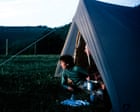
Why Feral Children Deserve More Space in Modern Society
Explore the debate on feral children and why society should embrace their wild nature. Discover perspectives on childhood freedom.

Understanding Feral Children in Today's World
Feral children represent a growing conversation in modern parenting discussions, yet their presence often sparks controversy. These young individuals, who embrace a more liberated approach to exploration and play, challenge conventional boundaries that adults have established. The paradox is striking: society encourages children to occupy more prominent roles in the world, yet simultaneously demands they conform to increasingly restrictive behavioral standards. This contradiction lies at the heart of why feral children remain a contentious topic in contemporary discourse.
The concept of feral children extends beyond simple misbehavior—it encompasses a philosophy that prioritizes authentic childhood experiences over structured control. When children engage with their environment freely, they develop resilience, creativity, and problem-solving skills that formal education often cannot replicate.
Island Life and the Coming of Age Experience
On Maine's Peaks Island, a small community situated approximately three miles off Portland's coast, childhood represents a unique journey shaped by geography and necessity. Island residents experience a distinctive rite of passage that mainland children rarely encounter. Located in Casco Bay, this year-round community maintains an elementary school but lacks secondary educational institutions. This geographical reality fundamentally transforms how young islanders grow up and develop independence.
When children reach sixth grade, they begin their daily commute aboard the 7:15 AM ferry to the mainland. This transition marks more than academic advancement—it symbolizes a crucial threshold where childhood innocence gradually surrenders to adolescent responsibility. The ferry ride itself becomes a formative experience, offering island youth their first taste of genuine independence and self-governance.
The Paradox of Adult Expectations
Adults frequently voice complaints about children's limited influence and participation in societal structures. Simultaneously, when young people assert themselves or occupy space more prominently, that same adult world instructs them to minimize their presence and diminish their voices. This contradiction creates an impossible standard that feral children naturally resist. Rather than internalizing shame about their authentic expressions, these young people challenge the arbitrary boundaries imposed upon them.
The societal expectation for children to be simultaneously present and invisible creates psychological strain. Traditional parenting approaches emphasize compliance and quietness, yet research increasingly demonstrates that children require freedom to explore, fail, and grow organically. Feral children reject this suffocating framework, embracing instead a more natural development trajectory.
Benefits of Less Structured Childhood
Children who experience greater freedom in their early years demonstrate enhanced emotional intelligence and adaptive capacity. Without constant adult supervision and predetermined activities, young people must navigate social situations independently, negotiate conflicts without immediate intervention, and develop genuine confidence rooted in authentic capability rather than external validation.
The island community exemplifies how geography can naturally foster this independence. When children must navigate water-based transportation, coordinate schedules, and manage their own transitions between two distinct environments, they inevitably develop maturity that their sheltered peers may lack. This organic development occurs through necessity rather than intentional parenting philosophy, yet the outcomes prove remarkably similar.
Societal Resistance to Natural Childhood Expression
Modern society operates within a framework that pathologizes natural childhood behaviors. Energy, curiosity, and exuberance—characteristics that should define healthy development—are frequently medicated, controlled, or suppressed. Feral children who resist these suppressions are labeled as problems rather than recognized as developmentally normal.
The cultural shift toward intensive parenting and constant supervision has paradoxically increased anxiety and behavioral issues among young people. Feral children, by maintaining connection to their instinctual nature and resisting arbitrary control, often develop stronger mental health outcomes than their over-regulated counterparts.
Reconsidering What Childhood Should Be
The conversation surrounding feral children ultimately challenges society to examine its fundamental assumptions about development and maturation. Perhaps childhood should emphasize exploration over compliance, authentic expression over quietness, and natural consequence over preemptive prevention. The Maine island example demonstrates that when necessity dictates greater independence, children rise to meet those expectations with remarkable capability.
Moving forward, communities might benefit from creating intentional space for feral children—not through neglect, but through conscious recognition that childhood thrives when young people maintain agency over their development. The ferry-commuting island children exemplify how geographic and social circumstances can naturally produce resilient, independent young people who navigate complexity with competence born from genuine experience rather than prescribed instruction.