Why Seasonal Allergies and Hay Fever Symptoms Are Getting Worse: Changes You Should Know
Discover why seasonal allergies and hay fever symptoms are worsening yearly due to climate allergy changes. Learn causes, impacts, and management tips.
Discovering the Truth Behind the Worsening of Seasonal Allergies and Hay Fever Symptoms
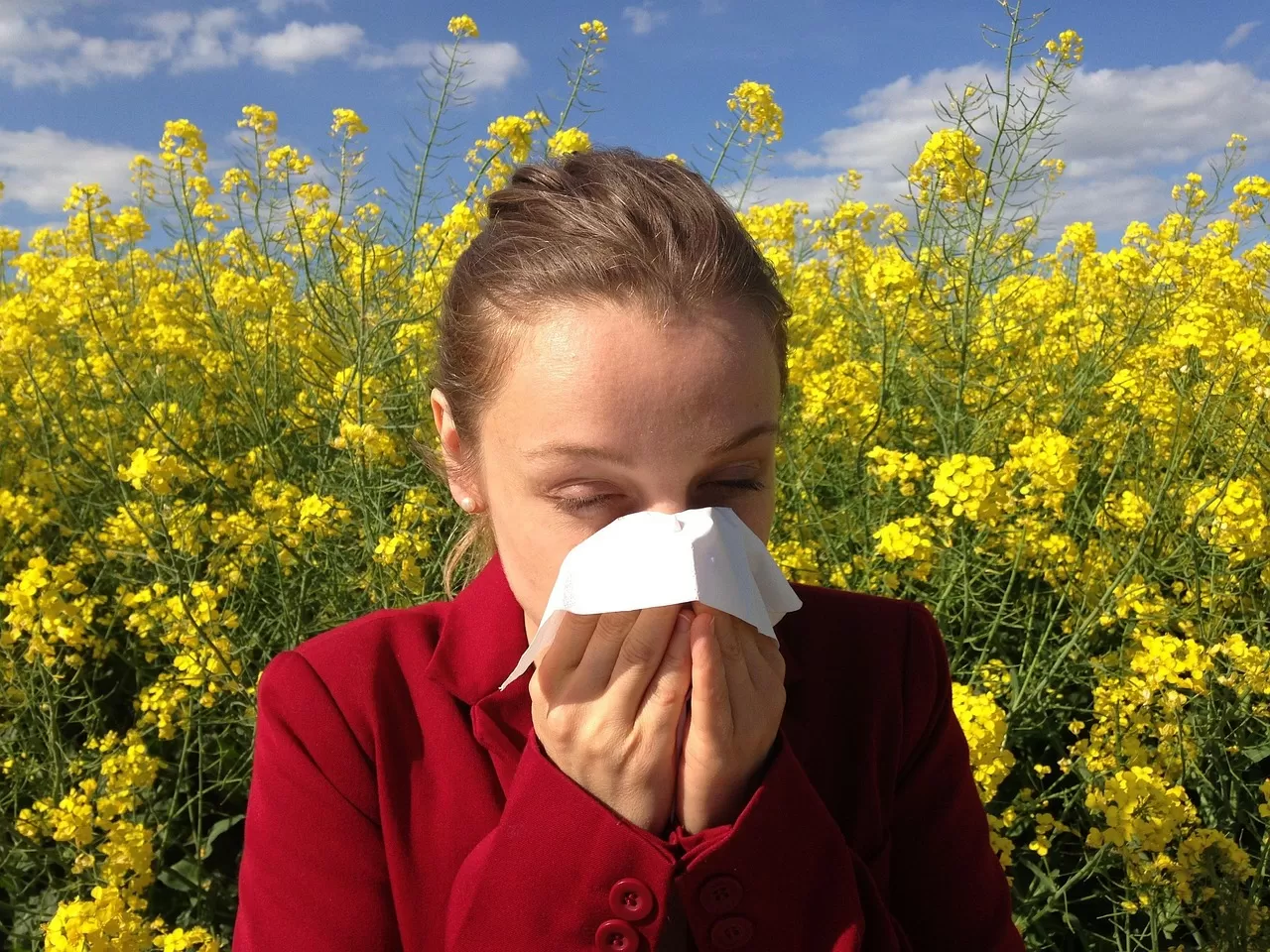
As the seasons change and flowers begin to bloom, many of us eagerly await the warmer weather and longer days. However, for millions of people around the world, springtime also brings with it the onset of seasonal allergies and hay fever. And unfortunately, these allergic reactions seem to be getting worse each year due to the effects of climate changes.
The occurrence of allergies and hay fever is nothing new, and many of us have come to expect the sneezing, itchy eyes, and congestion that accompanies them. But in recent years, there has been a noticeable increase in the intensity and duration of these symptoms. So, what exactly is causing this trend and what impact does it have on our health? Let’s take a closer look.
Understanding the Causes
To understand why seasonal allergies and hay fever symptoms are worsening, we first need to understand the causes. Allergies occur when our immune system overreacts to substances in the environment, known as allergens. These can include pollen, dust mites, animal dander, and mold. With hay fever specifically, the allergen is usually pollen, which is produced by trees, grass, and weeds.
The severity of our allergy symptoms depends on the amount of exposure to these allergens. And with climate change, there has been a significant increase in exposure due to changes in temperature, rainfall patterns, and carbon dioxide levels. These changes have caused plants to produce more pollen, and for it to be released earlier in the season. In fact, studies have shown that pollen season has lengthened by up to a month in some areas due to warmer weather.
Implications for Our Health
The worsening of seasonal allergies and hay fever symptoms can have a serious impact on our health. For many people, these allergies can be debilitating and affect their daily activities. The constant sneezing, runny nose, and itchy eyes can make it difficult to focus at work or school. And for those with asthma, allergies can trigger more frequent and severe asthma attacks.
Furthermore, the increased pollen levels can also lead to the development of new allergies in both children and adults. As our bodies are exposed to higher levels of pollen, our immune system becomes more sensitive, making us more susceptible to allergies. This can also lead to the development of allergic diseases such as eczema and food allergies, which can significantly impact our quality of life.
Managing Allergies and Hay Fever
While climate change may be causing our allergy symptoms to worsen, there are steps we can take to manage and alleviate them. The first step is to identify the specific allergens that trigger our symptoms and try to avoid them as much as possible. This may include staying indoors during peak pollen season, using air filters in our homes, and keeping windows closed.
Over-the-counter medications such as antihistamines and nasal sprays can provide relief from symptoms, but it’s important to consult with a doctor before starting any new medication. For those with severe allergies, allergen immunotherapy, also known as allergy shots, may be an effective option to desensitize the immune system to specific allergens.
In addition to managing our individual allergies, it’s important to address the root cause of the problem – climate change. By reducing our carbon footprint and advocating for actions to combat climate change, we can help mitigate the effects on our environment and our health.
A Positive Outlook
Despite the worsening of seasonal allergies and hay fever symptoms, there is hope for the future. Advances in medical research and technology have led to more effective treatments and management options for allergies. Additionally, with heightened awareness and efforts towards addressing climate change, we can work towards a healthier and more sustainable environment for ourselves and future generations.
So, as we continue to enjoy the beauty of springtime, let us also remain aware of the impact that climate changes have on our health. By taking proactive measures to manage our allergies and advocating for the planet, we can ensure a brighter and healthier future for all. Let’s work together to overcome the challenges brought by climate changes and breathe easier in every season.