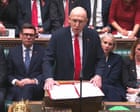
Chancellor Healey Postpones Welfare Cuts Despite £28bn Budget Crisis
Chancellor John Healey delays welfare reduction plans amid £28bn public finance shortfall. Fiscal experts warn of upcoming spending cuts and tough decisions ahe...

Healey Delays Welfare Reduction Strategy
Chancellor John Healey has decided to postpone any significant reductions in welfare spending during the current parliamentary term, a move that comes as financial analysts express serious concerns about welfare cuts budget implications. The decision to sidestep welfare cost reduction represents a significant shift in government fiscal priorities, particularly given mounting pressure on public finances.
The Treasury faces a substantial £28bn gap in projected revenue, a figure that has sparked widespread alarm among economic commentators and policy experts. This substantial shortfall threatens to force the government into making difficult decisions regarding expenditure across multiple departments and public services.
Expert Criticism of Budget Strategy
Financial analysts have been notably critical of the chancellor's approach to this budget cycle. The Institute for Fiscal Studies, one of the UK's most influential independent think tanks, has characterized the budgetary approach as leaving substantial challenges unresolved for future fiscal years. Experts argue that Healey has avoided confronting fundamental questions about taxation levels and spending priorities that will require attention imminently.
The criticism centers on what observers describe as a "scattergun" budgeting approach, where difficult decisions have been postponed rather than addressed directly. This strategy has drawn particular scrutiny from fiscal responsibility advocates who contend that deferring major policy choices will only compound financial pressures down the line.
Public Finance Pressures Mount
The £28bn public finance shortfall represents one of the most significant budgetary challenges facing the government in recent years. This gap between projected spending requirements and available revenue creates substantial pressure on the chancellor to identify spending reductions or revenue increases in subsequent fiscal years.
Industry analysts and independent fiscal observers have warned that the current budgetary trajectory is unsustainable without major interventions. The decision to avoid welfare cuts budget reduction measures suggests that significant fiscal adjustments will be necessary during the next comprehensive spending review period, potentially leading to more austere measures across other government departments.
Implications for Future Spending Plans
The chancellor's postponement of welfare reform decisions has immediate implications for government planning and public service delivery. By declining to implement welfare cuts budget measures now, Healey appears to be betting that improved economic conditions or higher-than-projected tax revenues might ease fiscal pressures before the next parliamentary review.
However, fiscal analysts remain skeptical of this approach. Many contend that avoiding difficult decisions merely transfers the burden to future budget cycles, where even more severe choices may be required. The Institute for Fiscal Studies specifically highlighted that substantial decisions regarding both taxation and expenditure have been deferred, suggesting these will need to be tackled when the next comprehensive spending review takes place.
Welfare System Under Scrutiny
Welfare expenditure represents one of the largest budget components in government spending. The decision to step back from welfare cuts budget reduction initiatives means that resources devoted to social support systems will remain at current levels, at least through the current parliamentary session.
This position potentially conflicts with stated government objectives around fiscal responsibility and budget consolidation. Some observers suggest that welfare reform was considered too politically sensitive to address in this particular budget cycle, particularly given the broader economic challenges facing households across the country.
Upcoming Spending Review Challenges
The chancellor's approach suggests that major budgetary decisions will be concentrated in the forthcoming spending review process. This comprehensive assessment of government expenditure will likely become the focal point for addressing the £28bn public finance shortfall and implementing any necessary welfare cuts budget modifications.
Preparation for this spending review is already underway across government departments, with ministers expected to submit spending proposals and justifications for their budget allocations. The review process will be critical in determining which public services receive protection and which areas face potential cutbacks.
Economic Context and Political Considerations
The timing of Healey's decision to postpone welfare cost reductions reflects both economic realities and political calculations. The broader economic environment, characterized by modest growth and persistent inflation concerns, has influenced the government's cautious approach to implementing welfare cuts budget policies.
Political considerations have also likely played a role in the decision. Implementing welfare reductions amid economic uncertainty could prove unpopular with voters and could generate significant opposition from advocacy organizations focused on social protection and poverty reduction.
Looking Ahead
The chancellor's position on welfare spending represents a temporary holding pattern rather than a permanent policy resolution. The £28bn public finance shortfall remains a critical issue requiring substantive action, and most observers expect that welfare cuts budget decisions will eventually need to be addressed during the upcoming spending review cycle. The question remains not whether such adjustments will occur, but rather when they will be implemented and how severe they will be.