Eight Water Companies Fail Environment Standards Report
Eight of England's nine water companies fail environment standards despite billions invested. Environment Secretary Angela Eagle demands accountability from ind...
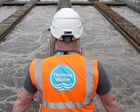
Water Companies Failing Environment Standards Despite Major Investment
Eight of England's nine water companies are failing environment standards, according to a comprehensive joint report released by multiple regulatory bodies. The damning assessment reveals that water companies failing environment standards continue to struggle with environmental performance metrics despite receiving substantial financial investment over recent years. Environment Secretary Angela Eagle has expressed frustration with the ongoing failures, stating that "people are sick of excuses" as pollution levels persist at concerning levels.
The collaborative investigation was conducted by four major regulatory authorities working in tandem to evaluate the environmental practices and performance of England's water sector. These organizations—the Environment Agency, the Drinking Water Inspectorate, Natural Resources Wales, and Ofwat—combined their expertise to produce a thorough analysis of how water companies are managing their environmental responsibilities.
Regulatory Bodies Release Joint Environmental Assessment
The joint report represents a significant moment in regulatory oversight of the water industry, with eight of the nine major English water companies receiving ratings of either "poor" or "requiring improvement." This outcome is particularly striking considering the massive capital expenditure that these companies have deployed across their operations in recent years.
Dame Angela Eagle, in her capacity as environment secretary, has taken decisive action by summoning water industry leadership to Whitehall for urgent discussions. This high-level intervention signals the government's determination to address what appears to be a systemic problem within the sector. The move demonstrates that regulatory pressure is mounting on water companies to deliver tangible environmental improvements.
Pollution Levels Remain High Despite Financial Investment
One of the most troubling aspects of the report is that environmental pollution levels have not decreased proportionally to the investment made by water companies. This disconnect between spending and results has raised serious questions about operational efficiency, management priorities, and accountability within the industry.
The water companies failing environment standards appear to be struggling across multiple metrics and categories. The report suggests that financial investment alone has not been sufficient to drive the necessary cultural and operational changes required to meet environmental standards and obligations.
Government Accountability Measures Take Effect
The environment secretary's public statement that "people are sick of excuses" reflects growing public frustration with the water industry's environmental record. Citizens and environmental organizations have increasingly voiced concerns about persistent water pollution, sewage discharge incidents, and environmental degradation in waterways across England.
The decision to bring water industry bosses to Whitehall indicates that the government is prepared to use its regulatory authority and political leverage to compel changes. This accountability measure suggests that voluntary compliance and self-regulation have proven insufficient in achieving acceptable environmental standards.
Environmental Performance Requirements and Industry Response
The report's findings raise important questions about how water companies allocate resources and prioritize environmental compliance. With eight of nine companies receiving poor ratings, systemic issues rather than isolated problems appear to be at play throughout the industry.
Stakeholders are now watching closely to see how water company executives respond to the regulatory pressure and government intervention. The meeting with Angela Eagle at Whitehall is expected to address specific expectations for improvement, timelines for compliance, and potential consequences for continued underperformance.
Implications for England's Water Sector
This report marks a significant turning point in regulatory oversight of England's water companies. The involvement of multiple regulatory bodies in producing a unified assessment demonstrates that concern about environmental standards is not limited to any single authority but is widespread across the regulatory framework.
The collective findings underscore the urgency of addressing environmental failings within the water sector. Consumers, environmental advocates, and policymakers are increasingly demanding that water companies prioritize environmental protection and pollution prevention as core operational objectives rather than secondary concerns.
The situation facing England's water companies represents a critical challenge for both the industry and regulators. Moving forward, water companies will need to demonstrate substantial and sustained improvements in environmental performance to restore public confidence and meet regulatory expectations.