Electric Aviation: The Future of Sustainable Flight Technology
Discover how electric power is revolutionizing aviation as a cleaner alternative to traditional fuel. Learn about the latest developments in sustainable flight...
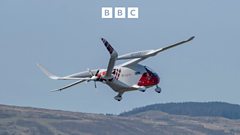
Electric Aviation: Transforming the Skies with Clean Energy
Electric aviation represents a transformative shift in how the aerospace industry approaches energy consumption and environmental responsibility. As concerns about carbon emissions intensify globally, electric power has emerged as a prominent cleaner alternative to traditional aviation fuel, positioning itself at the forefront of sustainable aviation innovation. This technological breakthrough promises to reshape commercial and private flight operations while significantly reducing the aviation sector's carbon footprint.
Understanding Electric Power as an Aviation Fuel Alternative
The transition from conventional jet fuel to electric power in aircraft represents one of the most ambitious energy transitions in modern transportation history. Traditional aviation fuel combustion generates substantial greenhouse gas emissions, contributing roughly 2-3% of global carbon dioxide output. Electric aviation systems operate on principles fundamentally different from internal combustion engines, utilizing rechargeable battery technology and electric motors to propel aircraft through the air.
Electric power offers numerous advantages over traditional fuel sources. Battery-powered aircraft produce zero direct emissions during flight, dramatically reducing pollution in both the atmosphere and at ground level near airports. Additionally, electric motors require less maintenance than conventional engines, operate more quietly, and provide superior efficiency in converting energy to propulsive force. These characteristics make electric aviation not merely an environmental imperative but also an economically sensible long-term investment for airlines and aircraft manufacturers.
Current Development and Implementation in Electric Aircraft
Several aviation companies and startups have already begun testing electric propulsion systems in prototype aircraft. Small regional aircraft with passenger capacities between 9 and 19 seats represent the current focus of development efforts. These aircraft, powered by advanced lithium-ion and solid-state battery technologies, demonstrate that electric aviation is transitioning from theoretical concept to practical reality.
Manufacturers worldwide are exploring diverse approaches to electrification. Some focus on fully electric aircraft for short-haul regional flights, while others develop hybrid-electric systems that combine traditional fuel with electric power sources. These hybrid solutions serve as intermediate steps, allowing operators to reduce fuel consumption and emissions while battery technology continues advancing toward higher energy density and longer flight durations.
Challenges and Technical Obstacles in Electric Aviation
Despite promising progress, significant technical challenges remain before electric aviation becomes mainstream. Battery technology currently limits flight ranges and payload capacities compared to traditional fuel-powered aircraft. A modern commercial jetliner's fuel tank cannot be directly replaced with battery equivalents due to weight and space constraints. Battery energy density must improve substantially before long-haul international flights can operate purely on electric power.
Infrastructure development presents another crucial hurdle. Airports require substantial electrical grid upgrades to support aircraft charging operations. High-powered charging stations must be installed at gates and maintenance facilities, necessitating significant capital investment and coordination between aviation authorities, airlines, and energy providers.
The Environmental and Economic Impact of Electric Power
The environmental benefits of electric aviation extend beyond direct emission reductions. When powered by renewable energy sources such as wind or solar, electric aircraft become genuinely zero-emission transportation solutions. This alignment with renewable energy infrastructure creates a complete green aviation ecosystem, where cleaner alternative fuels support both environmental and economic sustainability goals.
Economically, electric aviation promises reduced operational costs despite current high battery prices. Lower maintenance requirements, decreased fuel expenses, and potential government incentives for clean technology adoption make electric aircraft increasingly attractive to airlines. As battery technology matures and production scales increase, costs will continue declining, making electric aviation the dominant choice for many flight segments.
Future Outlook for Electric Aviation Technology
Industry projections suggest that electric aviation will play a significant role in aviation's future. Short-haul flights under 500 miles represent the most realistic near-term application for fully electric aircraft. Medium-haul routes may utilize hybrid-electric systems within the next decade. Technological breakthroughs in battery development and electric motor efficiency could eventually extend electric aviation capabilities to longer distances.
Regulatory frameworks are evolving to support this transition. Aviation authorities worldwide are establishing standards and certification pathways for electric aircraft, ensuring safety while encouraging innovation. Government policies promoting sustainable aviation fuel adoption and electric propulsion development create favorable conditions for accelerated market development.
The shift toward electric aviation demonstrates the aviation industry's commitment to environmental responsibility and technological progress. As cleaner alternatives to traditional aviation fuel become increasingly practical and economical, electric power will undoubtedly become integral to achieving sustainable aviation objectives for future generations.


