Former Defence Chief Demands Ukraine Hold Presidential Vote
Sacked Ukrainian defence minister calls for presidential election amid ongoing martial law. Discover the political tensions shaping Ukraine's democratic future.
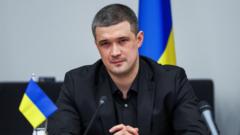
Dismissed Defence Official Urges Democratic Process During Wartime
A recently dismissed Ukrainian defence minister has intensified calls for the nation to proceed with a presidential election, raising critical questions about the country's democratic institutions during an extended period of military operations. The push for a Ukrainian defence minister presidential election represents a significant challenge to current governance structures that have prioritized security measures over electoral procedures.
Understanding Ukraine's Martial Law Framework
Since February 2022, Ukraine has operated under continuous martial law conditions that have fundamentally altered the nation's political landscape. This extraordinary measure, implemented in response to unprecedented security threats, has created a framework where standard democratic processes, including presidential elections, remain suspended by legal decree.
Martial law Ukraine regulations were established as an emergency response mechanism designed to grant executive authorities enhanced powers necessary for national defense coordination and resource mobilization. The suspension of electoral processes under these conditions represents one of the most contentious aspects of the current legal structure, creating tension between security imperatives and democratic principles.
The Case for Presidential Electoral Processes
The ousted defence official's advocacy for holding elections challenges the assumption that wartime conditions necessitate the complete suspension of democratic participation. Proponents of this position argue that maintaining electoral processes strengthens national legitimacy and demonstrates commitment to the democratic values that distinguish the nation from authoritarian adversaries.
This perspective emphasizes that a Ukrainian defence minister presidential election would reinforce institutional credibility and provide citizens with meaningful participation in governance decisions affecting their futures. The argument contends that democratic engagement, even during crisis periods, remains essential for maintaining public confidence and social cohesion.
Political Tensions and Institutional Challenges
The dismissal of the defence minister and subsequent calls for electoral reform reflect deeper institutional conflicts within Ukrainian governance. These tensions highlight competing priorities between security establishment leaders and political figures advocating for accelerated democratic procedures.
The suspension of presidential election frameworks under martial law Ukraine provisions has created a governance vacuum that various officials attempt to fill through alternative channels of influence and authority. The former minister's demands represent one faction's attempt to restore traditional democratic mechanisms as a counterbalance to prolonged emergency governance.
International Perspectives on Democratic Continuity
The global community continues monitoring Ukraine's commitment to democratic institutions during extraordinary circumstances. International observers note that maintaining electoral legitimacy becomes increasingly important as conflicts extend beyond initial expectations, affecting long-term national stability and reconstruction planning.
Democratic nations generally recognize that wartime conditions may necessitate temporary modifications to standard procedures, yet they emphasize the critical importance of establishing clear timelines for restoring full electoral participation. The Ukrainian situation tests international norms regarding the balance between security necessities and democratic governance.
Looking Forward: Reconciling Security and Democracy
As the situation evolves, Ukraine faces mounting pressure to address fundamental questions about governance continuity and democratic legitimacy. The debate surrounding whether to proceed with a Ukrainian defence minister presidential election reflects broader uncertainties about how long emergency frameworks can remain in place while maintaining public trust in institutions.
The path forward requires careful consideration of both immediate security requirements and longer-term democratic sustainability. Officials must navigate complex political terrain while ensuring that temporary emergency measures do not permanently erode institutional mechanisms essential to democratic governance. The resolution of these tensions will significantly influence Ukraine's post-conflict institutional development and international standing as a democratic nation committed to principles of governance and citizen participation.


