Global Power Shift: Trump-Putin-Xi Alliance Reshapes World Order
Discover how the Trump-Putin-Xi alliance at APEC summit signals a potential global power shift away from Europe. Analysis of geopolitical implications.
Trump-Putin-Xi Alliance: A New Era of Global Geopolitics
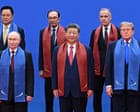
The convergence of Donald Trump, Vladimir Putin, and Xi Jinping at the recent APEC summit in China has sparked significant debate about whether a Trump-Putin-Xi alliance represents a fundamental restructuring of international power dynamics. While political leaders across Europe engage in diplomatic efforts to strengthen continental partnerships, questions loom about Europe's evolving role on the world stage as these three powerful nations consolidate their strategic positioning.
Western European Response to Shifting Alliances
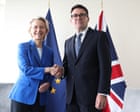
In a parallel development that underscores Europe's efforts to maintain its relevance, Andy Burnham is conducting a comprehensive diplomatic tour throughout Berlin and Brussels this week. His discussions focus on critical issues including Ukraine's security situation and the potential for deepened European Union integration. This transatlantic outreach reflects Western leaders' concerns about the geopolitical implications of intensified cooperation between Washington, Moscow, and Beijing.
The timing of these diplomatic initiatives highlights the contrast between Europe's inward-focused negotiations and the visible consolidation of a potential Trump-Putin-Xi bloc operating on a larger global canvas. While Burnham addresses regional stability concerns, the APEC summit discussions between these three leaders carry implications that extend far beyond regional boundaries.
Analyzing the APEC Summit Developments
The Trump-Putin-Xi alliance narrative gained momentum following their meetings at the APEC gathering in China, though analysts remain divided on the substantive nature and longevity of such coordination. Some observers contend that this represents a genuine geopolitical realignment that could diminish European leverage in international negotiations, particularly regarding trade, security, and diplomatic influence.
Others suggest a more cautious interpretation, viewing the high-profile interactions as calculated media moments designed to signal strength rather than evidence of durable institutional partnerships. Nevertheless, the symbolism carries weight in international relations, where perceptions of alignment significantly influence diplomatic calculations and strategic positioning.
Ukraine as a Focal Point of European Concern
Ukraine's ongoing conflict remains central to European strategic discussions as demonstrated by Burnham's focus during his diplomatic mission. The Trump-Putin-Xi alliance's approach to this European security crisis will likely determine whether such coordination threatens or merely complicates Western cohesion. European leaders recognize that any coordinated action by these three powers regarding Ukraine could fundamentally alter the conflict's trajectory and resolution possibilities.
The EU's Strategic Repositioning
The European Union faces considerable pressure to clarify its strategic positioning in this evolving environment. Recent discussions about EU-UK relations and broader European-Western cooperation suggest attempts to strengthen internal unity and demonstrate collective resolve. These diplomatic efforts represent Europe's response to the apparent consolidation of competing power centers elsewhere on the global stage.
Future Implications for Global Power Distribution
Whether the Trump-Putin-Xi alliance represents a permanent shift in global power distribution or a temporary convergence of interests remains a central question for policymakers worldwide. The emerging international architecture appears to involve multiple competing poles rather than the bipolar or unipolar models that characterized previous eras. Europe's capacity to navigate this multipolar environment will significantly influence its continued relevance as a major geopolitical actor.
The diplomatic activities of leaders like Burnham suggest that European institutions are not passively accepting a diminished role but actively repositioning to maintain influence. How effectively these efforts translate into substantive outcomes will shape the continent's trajectory throughout coming years and determine whether European voices maintain meaningful weight in shaping global affairs.