Green Party Formally Adopts Controversial Zionism Policy
Green Party votes to equate Zionism with racism and advocate single Palestinian state. Motion passes 1,022-813 at Brighton conference despite MP opposition.
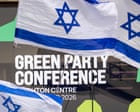
Green Party Adopts Landmark Zionism Resolution
The Green Party has officially endorsed a contentious position equating Zionism with racism and advocating for the replacement of Israel with a unified Palestinian state. This Green Party Zionism policy, passed during the party's Brighton conference, marks a significant shift in the organization's stance on Middle East geopolitics, despite substantial internal opposition from parliamentary members.
The motion secured approval with 1,022 votes in favor and 813 opposing votes, demonstrating considerable division within the party membership. The narrow margin of victory underscores the deeply polarizing nature of this Green Party Zionism policy among constituent members and elected representatives alike.
Parliamentary Opposition and Leadership Concerns
A substantial majority of the Green Party's Members of Parliament publicly opposed the measure before the vote took place. This internal friction has raised questions about party cohesion and the alignment between grassroots membership and elected officials. The disconnect between these two factions represents one of the most significant challenges to party unity in recent years.
Zack Polanski, serving as the leader of the Greens in England and Wales, notably abstained from participating in the vote. His absence from this critical conference decision has drawn considerable scrutiny and criticism from various quarters within and outside the party. Polanski was campaigning in the Holborn and St Pancras byelection at the time of the vote, prioritizing electoral efforts over this pivotal policy decision.
Leadership Scrutiny and Strategic Challenges
Political analysts and party insiders have questioned whether Polanski demonstrated adequate leadership during this divisive moment. The perception of insufficient guidance on such a consequential issue has amplified existing tensions within the party structure. Many observers suggest that stronger direction from senior leadership could have helped navigate the controversial waters surrounding the Green Party Zionism policy.
The decision to pursue this controversial stance while campaigning in a specific constituency has invited criticism that the leadership neglected to provide clear strategic direction. This perceived vacuum in leadership has contributed to broader discussions about the party's internal governance and decision-making processes.
Expected Legal Challenges Ahead
Legal experts anticipate that this newly adopted policy will face constitutional and potentially statutory challenges. Various organizations and stakeholders have already signaled their intention to contest the motion through appropriate legal channels. The Green Party Zionism policy may become subject to judicial scrutiny regarding its compatibility with existing anti-discrimination legislation and party constitutional frameworks.
Such legal proceedings could prove costly and time-consuming for the organization, diverting resources and attention from other policy priorities. The party may need to allocate significant financial and personnel resources to defend its position in court proceedings.
Broader Political Implications
This resolution carries substantial implications beyond the party's internal dynamics. It positions the Green Party distinctly on Middle East issues and international relations matters. The Green Party Zionism policy adoption could influence voter perceptions and electoral prospects in constituencies with significant Jewish and Palestinian diaspora populations.
Political commentators suggest this move may energize certain voter constituencies while simultaneously alienating others who view the position as antisemitic or unnecessarily provocative. The long-term electoral consequences remain uncertain, though historical precedent suggests controversial policy positions can influence party performance in key constituencies.
Conference Dynamics and Membership Decision
The Brighton conference revealed significant ideological divisions within the membership base. The substantial vote totals on both sides indicate passionate engagement with the issue. Approximately 55 percent of voting members supported the measure, while approximately 45 percent opposed it, reflecting genuine disagreement on this fundamental political question.
The decision emerged from grassroots-driven activism within the party's membership structures. Delegates and members utilized democratic processes to advance their preferred policy direction, demonstrating the party's commitment to membership engagement, even when outcomes prove controversial.
Future Party Direction
Moving forward, the Green Party must reconcile its newly adopted Green Party Zionism policy with the significant reservations expressed by its parliamentary representation. This internal contradiction will likely shape party dynamics and public messaging in the coming months. Party leadership will need to develop coherent strategies for implementing and defending the policy while managing continued internal dissent.
The resolution marks a pivotal moment in British Green Party history, crystallizing longstanding debates about Israel-Palestine issues within progressive political spaces. How the party navigates the aftermath of this decision will significantly influence its public profile and internal cohesion throughout the coming political cycle.