Hamas Confirms Disarmament Agreement Under Trump's Peace Initiative Plan
Hamas officially agrees to disarmament following Trump's Board of Peace announcement. Israel remains silent on the groundbreaking peace plan details and negotia...
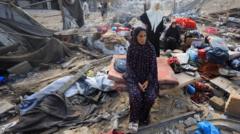
Hamas Confirms Disarmament Agreement Under Trump's Peace Initiative
A senior representative from Hamas has formally confirmed to the BBC that the organization has agreed to terms outlined in the Hamas disarmament peace plan introduced by former President Donald Trump through his newly established Board of Peace. This significant development marks a major step in ongoing efforts to address the complex geopolitical tensions that have characterized the Israeli-Palestinian conflict for decades.
Details of Trump's Board of Peace Framework
The Trump Board of Peace initiative represents an ambitious diplomatic undertaking designed to facilitate dialogue between conflicting parties in the region. The framework reportedly incorporates comprehensive mechanisms for gradual disarmament, security guarantees, and transitional governance structures. According to the Hamas official's statement, the organization views these provisions as a legitimate pathway toward sustainable peace arrangements.
The comprehensive nature of this initiative reflects months of consultation with international mediators, regional stakeholders, and representatives from various Palestinian factions. The Board of Peace framework emphasizes phased implementation, allowing for verification protocols and international oversight throughout the disarmament process.
Hamas's Position on Disarmament Terms
The agreement by Hamas to pursue disarmament represents a notable shift in the organization's traditional stance. The senior official emphasized that this decision emerges from recognition that sustained conflict perpetuates suffering among Palestinian populations. The Hamas disarmament peace plan reportedly includes provisions addressing humanitarian concerns, economic development initiatives, and political participation mechanisms that align with broader Palestinian national aspirations.
Key components of the accepted framework include supervised weapons reduction, establishment of international monitoring bodies, and structured timelines for implementation. The agreement also encompasses commitments regarding civilian protection, reduction of military infrastructure, and integration of former combatants into civilian institutions through rehabilitation and employment programs.
Israeli Government Response Remains Pending
Despite the significant announcement from Hamas leadership, the Israeli government has not yet issued an official response to the disarmament proposal. Israeli officials have historically maintained that any sustainable peace agreement must address fundamental security concerns and prevent future weapons accumulation. The silence from Israeli leadership suggests ongoing internal deliberation regarding the Board of Peace initiative's viability and alignment with Israeli security parameters.
Political analysts suggest that Israel's measured response reflects the complexity of evaluating such agreements within domestic political constraints. Israeli leadership faces pressure from multiple constituencies regarding conditions they consider essential for any lasting settlement.
International Implications of the Agreement
The Middle East peace agreement emerging from this diplomatic process carries significant implications for regional stability. International observers note that successful implementation would require unprecedented cooperation between historically adversarial parties. The Board of Peace framework incorporates provisions for international community involvement, including financial support for reconstruction and development projects.
Various international bodies, including the United Nations and regional organizations, have expressed willingness to participate in verification and monitoring mechanisms outlined within the agreement. This multilateral approach distinguishes the current peace initiative from previous diplomatic efforts.
Hamas Negotiations Framework
The Hamas negotiations process leading to this agreement involved extensive dialogue across multiple months. International mediators reportedly facilitated communication between Hamas representatives and other stakeholders involved in drafting the Board of Peace proposal. The negotiation framework emphasized addressing core grievances while establishing practical mechanisms for conflict resolution.
Key negotiating parties contributed specialized expertise regarding security concerns, humanitarian needs, and governance structures. The resulting agreement reflects compromise positions that incorporate perspectives from diverse stakeholder groups, though not all Palestinian factions have formally endorsed the framework.
Path Forward: Implementation Challenges
Successfully executing the Israeli-Palestinian resolution outlined in this agreement will require sustained political commitment from all parties. Implementation challenges include establishing credible verification mechanisms, managing transitional security arrangements, and ensuring equitable resource allocation for reconstruction efforts.
International observers emphasize that the agreement's success depends upon concurrent Israeli government endorsement and participation. Without formal Israeli acceptance, the framework remains incomplete despite Hamas's formal commitment. The coming weeks will prove critical in determining whether this diplomatic breakthrough leads to substantive progress toward lasting regional stability or faces obstacles requiring further negotiation.
The announcement represents a potentially transformative moment in Middle Eastern diplomacy, though substantial work remains before meaningful implementation becomes possible.


