Nepal-Tibet Floods Death Toll Rises in Border Region
Hundreds dead or missing in devastating Nepal-Tibet floods on Wednesday. Get the latest updates on this catastrophic disaster affecting thousands across the bor...
Nepal-Tibet Floods: A Catastrophic Natural Disaster Unfolds
The Nepal-Tibet floods have claimed hundreds of lives and left many more unaccounted for following Wednesday's devastating flooding and landslide events along the border regions. This catastrophic Nepal-Tibet floods incident represents one of the most severe natural disasters to strike the area in recent years, with rescue operations still ongoing and humanitarian concerns mounting across both nations.
The Scale of Destruction
The scale of destruction from these Nepal-Tibet floods remains staggering as authorities continue assessment operations. Wednesday's events triggered cascading natural disasters, including massive landslides that destabilized entire communities. The simultaneous occurrence of intense flooding and ground displacement created compound challenges for rescue and recovery teams working in treacherous mountain terrain.
Casualties and Missing Persons
Current figures indicate that hundreds of residents have perished in the Nepal-Tibet floods, while an additional substantial number remain missing and presumed deceased. Identification efforts continue at overwhelmed medical facilities and temporary morgue facilities established near affected areas. Families desperately seek information about loved ones, many of whom were caught in populated areas when the disaster struck without warning.
Geographical Impact and Affected Communities
The Nepal-Tibet floods impacted multiple communities positioned along the sensitive border region separating both territories. Mountainous terrain in these areas presents unique challenges for disaster response, as access routes have been compromised by debris flows and structural collapse. Villages that were previously connected by mountain passes now face complete isolation, complicating delivery of emergency supplies and medical assistance.
Regional Border Considerations
The border location of these Nepal-Tibet floods adds complexity to international response coordination. Both nations have mobilized resources, though geographical barriers and political protocols affect the speed and efficiency of collaborative relief efforts. Diplomatic channels have been activated to expedite humanitarian access and coordinate search-and-rescue operations across jurisdictional boundaries.
Environmental and Meteorological Factors
The trigger mechanisms behind Wednesday's catastrophic Nepal-Tibet floods point toward extreme meteorological conditions. Heavy precipitation rates, combined with seasonal snowmelt from higher elevations, created dangerous hydrological conditions. The geological composition of mountain slopes in this region made them particularly vulnerable to sudden failure when saturated with excess water from the Nepal-Tibet floods.
Landslide Formation and Progression
The landslides accompanying the Nepal-Tibet floods demonstrated the interconnected nature of mountain hazards. When water infiltrates unstable slopes, it reduces friction between soil layers, triggering rapid mass movements. These earth movements frequently dammed rivers temporarily, creating artificial reservoirs that subsequently failed catastrophically, generating secondary flood waves that compounded initial damage from the Nepal-Tibet floods.
Emergency Response Operations
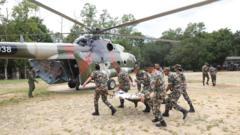
Government agencies and international organizations have deployed extensive resources responding to the Nepal-Tibet floods crisis. Search-and-rescue teams navigate hazardous conditions daily, using trained dogs, drones, and specialized equipment to locate survivors and recover remains. Medical personnel work extended shifts treating injuries ranging from physical trauma to waterborne illnesses affecting flood survivors.
Humanitarian Assistance Challenges
Delivering humanitarian aid following the Nepal-Tibet floods presents unprecedented logistical challenges. Supply routes remain limited, fuel shortages affect transportation, and weather conditions could trigger additional disasters. International organizations coordinate with local governments to prioritize assistance distribution, focusing on water purification, medical supplies, and shelter materials.
Long-term Recovery and Reconstruction
Beyond the immediate response to the Nepal-Tibet floods, communities face lengthy recovery periods. Infrastructure damage includes destroyed homes, compromised water systems, and damaged agricultural lands critical to regional food security. Reconstruction will require substantial investment and sustained international support to help affected populations rebuild their lives following the Nepal-Tibet floods disaster.
Psychological and Social Impact
The Nepal-Tibet floods have created profound trauma among survivors and families affected by the disaster. Mental health services will be essential components of comprehensive recovery efforts, addressing grief, displacement, and uncertainty about missing family members. Social cohesion may be tested as communities process collective loss and work toward rebuilding.
International Response and Support
The international community has mobilized support following the Nepal-Tibet floods announcement. Neighboring countries, developed nations, and multilateral organizations have offered technical expertise, financial assistance, and humanitarian supplies. This coordinated response reflects global recognition that natural disasters transcend borders and demand collective action.
The Nepal-Tibet floods tragedy underscores the vulnerability of mountain communities to natural hazards and the urgent need for improved disaster preparedness infrastructure. As investigations continue into the exact sequence of events that produced Wednesday's flooding and landslides, affected regions begin the challenging process of recovery and resilience building for future natural disaster prevention.


