Nigeria's Vulture Crisis: How One Champion Is Saving Endangered Birds
Discover how Nigeria's vulture population is declining and the conservation efforts led by a passionate advocate to protect these vital scavenging birds.
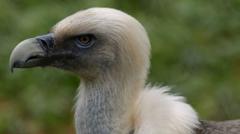
The Declining Vulture Population in Nigeria
Vulture conservation Nigeria has become an urgent priority as these magnificent birds face unprecedented threats in West Africa. The vulture population across Nigeria has experienced a dramatic decline over the past two decades, with species that were once common now rarely spotted in the skies. Despite their critical ecological importance, these raptors remain largely misunderstood by local communities and face multiple pressures that threaten their survival.
The disappearance of vultures represents more than just the loss of individual birds; it signals a breakdown in natural ecosystems that have depended on these scavengers for millennia. Experts estimate that certain vulture species have declined by up to 95% in some regions, making this one of the most severe conservation crises affecting avian populations in Africa.
Why Vultures Matter to Our Ecosystems
Vultures serve as nature's cleanup crew, playing an irreplaceable role in maintaining ecological balance and public health. These efficient scavengers consume carcasses of dead animals, preventing the spread of disease and reducing the presence of toxic substances in the environment. Without vultures, decomposing remains would accumulate, creating breeding grounds for harmful pathogens and attracting invasive predator species.
The biodiversity impact extends far beyond simple waste management. Vultures help regulate populations of rodents and insects that thrive on carrion, indirectly controlling disease vectors and maintaining agricultural productivity. In many African cultures, their presence traditionally indicated healthy, functioning landscapes.
Threats Facing Nigeria's Vulture Species
Multiple interconnected factors contribute to the vulture population decline. Habitat loss due to deforestation and land conversion has eliminated crucial nesting and roosting sites. Poisoning, either accidental from pesticides or intentional from misguided hunters, kills hundreds of birds annually. Additionally, these birds face persecution based on cultural misunderstandings and superstitions.
The use of vultures in traditional ritual practices remains a significant threat. Poaching for these purposes represents a substantial portion of bird mortality across Nigeria and neighboring countries. Electrocution from power lines and collision with wind turbines provide additional mortality sources in developing regions.
The Vulture King's Conservation Mission
A dedicated conservationist has emerged as a beacon of hope in Nigeria's vulture crisis, earning the title 'Vulture King' through tireless dedication to protecting these endangered birds. This passionate advocate has established conservation programs that combine scientific research with community education, addressing both the supply and demand sides of the vulture crisis.
The conservation initiatives focus on creating protected areas where vultures can breed safely and establishing monitoring programs to track population trends. Community outreach programs work to shift cultural perceptions, replacing fear and superstition with understanding and appreciation for these ecological guardians.
Community Engagement and Local Awareness
Effective vulture conservation Nigeria requires more than legislation; it demands community participation and attitude transformation. The Vulture King's programs include workshops and educational campaigns that demonstrate the ecological and economic value of protecting these birds. Local farmers and hunters receive training about the consequences of removing vultures from the ecosystem.
By highlighting the connection between vulture populations and agricultural health, conservation efforts have gained support from stakeholders who previously viewed these birds negatively. Success stories from other African nations prove that widespread community involvement can reverse population declines.
Recovery Strategies and Future Outlook
Current conservation efforts employ multiple strategies including habitat restoration, captive breeding programs for critically endangered species, and anti-poisoning initiatives. Partnerships with international wildlife organizations provide funding and technical expertise necessary for large-scale implementation.
The recovery of Nigeria's vulture populations requires sustained commitment and increased investment in conservation infrastructure. Scientists project that with adequate protection, certain species could begin showing population growth within the next five to ten years, provided current threats are significantly reduced.
Legislation and Policy Framework
Nigeria has implemented protective legislation, but enforcement remains challenging in remote areas. The Vulture King and allied organizations advocate for stronger penalties against poaching and more resources for wildlife law enforcement. International cooperation through regional agreements strengthens protection efforts across West Africa.
Government support for vulture conservation has increased following awareness campaigns highlighting the birds' ecological importance. These policy developments create a more favorable environment for long-term species recovery and ecosystem restoration.
Looking Forward: Hope for Nigeria's Vultures
Despite the challenges, progress in vulture conservation Nigeria offers genuine hope. The combination of scientific expertise, passionate advocacy, and growing community support creates momentum for meaningful recovery. As awareness spreads about these birds' irreplaceable role in nature's cycle, protection efforts intensify across multiple fronts.
The Vulture King's legacy extends beyond individual bird rescue; it represents a transformation in how society values and protects its wildlife heritage. Continued efforts will determine whether future generations can witness thriving vulture populations once again soaring above Nigeria's landscapes.


