Oil Tanker Risks in Middle East Hit Peak Levels Since Iran Conflict
Oil tankers face unprecedented threats in the Middle East as attacks on shipping routes intensify. Analysts warn of the worst security crisis since the Iran con...
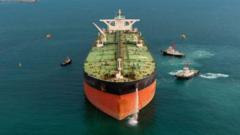
Oil Tankers Middle East Threat Reaches Critical Juncture
The situation facing oil tankers in the Middle East has deteriorated to levels not witnessed since the beginning of hostilities related to Iran, according to assessments from leading maritime and geopolitical analysts. Recent coordinated assaults targeting alternative shipping corridors have created an increasingly precarious environment for commercial vessels navigating these critical waterways.
Escalating Attacks on Shipping Infrastructure
Multiple incidents over recent weeks have demonstrated the vulnerability of oil tankers operating in the region. These attacks on alternative shipping routes represent a significant shift in maritime security dynamics. Analysts indicate that vessel operators now face a complex matrix of challenges that extends beyond traditional piracy concerns.
Impact on Global Energy Markets
The disruptions to oil tanker operations carry substantial implications for international petroleum supplies. As major shipping lanes become increasingly contested, energy companies must evaluate alternative routing options that may add significant time and expense to their operations. The compounded costs associated with enhanced security measures, route diversification, and potential delays have begun affecting global energy pricing mechanisms.
Risk Assessment for Commercial Fleets
Shipping companies managing oil tanker fleets report heightened operational complexity. Navigating the current threat landscape requires constant situational awareness and sophisticated risk mitigation strategies. Many operators have implemented additional security protocols, including armed security personnel and advanced surveillance systems, to protect their vessels and cargo.
Regional Security Dynamics
The deteriorating security environment reflects broader regional tensions. Analysts emphasize that the current threat level to oil tankers in the Middle East surpasses conditions observed during earlier phases of the Iran conflict. The strategic importance of maritime chokepoints in the region—particularly the Strait of Hormuz and surrounding waters—makes the situation especially critical for global commerce.
Geopolitical Considerations
Multiple state and non-state actors maintain interests in regional maritime activities, creating a complex security landscape. The involvement of various parties in maritime disputes has introduced unpredictability that challenges traditional risk assessment models. Oil tanker operators must account for potential escalation scenarios when planning their routes and operational schedules.
Industry Response to Escalating Threats
The shipping industry has mobilized several countermeasures in response to intensified attacks on tankers. Port authorities, international maritime organizations, and commercial operators have increased coordination efforts. Intelligence sharing among allied nations has expanded, providing vessel operators with enhanced warning capabilities regarding potential hazards along their planned routes.
Insurance and Economic Implications
Maritime insurance providers have adjusted their coverage parameters and premium structures to reflect the elevated risk environment. The cost of insuring oil tankers operating in Middle Eastern waters has increased substantially, adding to the overall expense of transporting petroleum through the region. These economic pressures may incentivize the development of alternative energy transportation methods and supply chain diversification strategies.
Future Outlook for Tanker Operations
Analysts project that oil tankers will continue facing significant operational challenges in the Middle East for the foreseeable future. The confluence of multiple threat factors—attacks on shipping routes, geopolitical tensions, and strategic competition—creates an environment of sustained uncertainty. Stakeholders across the energy and maritime sectors are preparing contingency plans to manage potential supply disruptions and maintain the continuity of critical petroleum transport operations.
The situation demands ongoing vigilance and adaptive management strategies from all parties involved in maritime commerce in this strategically vital region.


