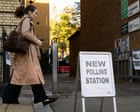
Labour Triumphs in Holborn Byelection as Leftist Voters Return
Labour secures Holborn and St Pancras byelection victory with 45% support, reclaiming leftist voters who abandoned the party under Starmer's leadership.
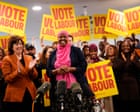
Labour Byelection Victory Marks Strategic Turning Point
Labour's triumph in the Holborn and St Pancras byelection represents a significant milestone in the party's recovery strategy, with candidate Sagal Abdi-Wali securing 45% of the vote in what party officials describe as a return of progressive voters. The Labour byelection victory demonstrates the party's capacity to reclaim support from constituencies where left-leaning voters had previously defected to alternative political movements.
The decisive outcome saw Zack Polanski, leader of the Green Party, finish in second place with 33% of the vote, illustrating a clear shift in voter preference away from the environmental party. This Labour byelection victory takes on additional significance given the party's previous struggles in attracting progressive voters during the tenure of former Prime Minister Keir Starmer.
Reclaiming the Left-Wing Vote
Deputy leadership figures within Labour have characterized the election result as evidence that the party is successfully rebuilding bridges with voters who became disillusioned during the Starmer administration. The messaging emphasizes that the Labour byelection victory is not merely a numerical triumph but a symbolic representation of renewed connection with the party's traditional support base on the political left.
Party strategists point to polling data indicating that Labour now maintains a 15-point advantage over the Green Party, a reversal of the dynamic that existed before Starmer's departure from his position as Prime Minister. This swing in electoral mathematics suggests that tactical voting patterns have shifted substantially in Labour's favor since the leadership transition.
Sagal Abdi-Wali's Campaign Success
Sagal Abdi-Wali's campaign strategy focused on reconnecting with constituents who prioritize social justice issues and progressive policy platforms. The candidate's ability to secure 45% support despite relatively modest voter turnout indicates strong backing among those who chose to participate in the electoral process.
The maintenance of Starmer's historic north London seat within Labour's political fold carries symbolic weight beyond the immediate electoral mathematics. Holborn and St Pancras represents a constituency with deep historical significance to the Labour movement, and retaining this seat prevents the psychological impact of losing ground to rival parties in traditionally secure territory.
Green Party's Electoral Challenges
Zack Polanski's placement in second position with 33% of the vote, despite leading the Green Party, represents a notable setback for environmental political movements in urban constituencies. The Green Party's previous positioning ahead of Labour in polling metrics has effectively reversed course following this Labour byelection victory, suggesting that voter consolidation has favored the larger party.
The relatively low turnout during the byelection raises questions about whether the results reflect genuine shifts in voter preference or alternatively represent mobilization differences between competing campaigns. Nevertheless, party officials within Labour view the outcome as validating their strategic approach to rebuilding support among progressive constituencies.
Broader Political Implications
The Labour byelection victory carries implications extending beyond the specific contest in Holborn and St Pancras. The result suggests that electoral strategies emphasizing reconnection with disaffected leftist voters may prove effective in reversing previous losses to both the Green Party and other alternative political movements.
The timing of this Labour byelection victory following Starmer's exit from the Prime Minister's office indicates that leadership change may have facilitated the recovery of voter support. Whether this represents a temporary fluctuation or a durable realignment remains subject to analysis by political observers and strategists within competing parties.