Public Ownership Strategy: Burnham's Blueprint for UK Economic Growth
Andy Burnham unveils public ownership plan to boost UK economy growth. Prime Minister addresses Commons on essential services control and cost of living solutio...

Public Ownership: The Path to Economic Recovery
In a significant policy announcement, Prime Minister Andy Burnham is set to emphasize how public ownership of essential services represents the cornerstone of his administration's strategy to stimulate broader economic growth across the United Kingdom. Following weeks of strategic policy development during the summer recess, Burnham will present his vision to Parliament, marking his first substantive address from the frontbench in over a decade and a half.
A Historic Return to the Commons
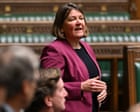
Burnham's appearance in the House of Commons on Tuesday carries considerable symbolic weight, representing his first major parliamentary intervention from the government benches in 16 years. The timing proves significant, arriving just six weeks into his tenure as Prime Minister, demonstrating his commitment to implementing transformative policies swiftly. The presentation follows an intensive period during which his administration developed and unveiled multiple policy initiatives aimed at addressing the nation's most pressing economic challenges.
The Core Economic Philosophy
The Prime Minister's central argument revolves around the concept that restoring public control over critical infrastructure and services provides the foundation necessary for sustainable economic expansion. Rather than relying exclusively on private sector mechanisms, Burnham's approach advocates for strategic government intervention in sectors deemed essential to national wellbeing and economic stability. This philosophy challenges prevailing market-oriented approaches that have dominated UK policy-making in recent decades.
Essential Services Under Public Stewardship
The government's plan encompasses bringing essential services back into public ownership, a reversal of privatization trends established over the previous 30 years. Burnham contends that utilities, transportation networks, and healthcare infrastructure function more efficiently and equitably when managed through public institutions accountable to the electorate rather than shareholder interests.
Addressing the Cost of Living Crisis
Alongside the public ownership agenda, the administration has prioritized tackling the cost of living emergency that has significantly impacted British households. The government perceives direct public control over essential services as instrumental in stabilizing consumer costs, particularly for utilities and transportation. By removing profit-driven intermediaries, policymakers argue that savings can be passed directly to consumers, providing immediate relief to struggling families across the country.
Government Goals and Vision
Burnham's broader mission emphasizes restoring public confidence in government institutions and delivering what he describes as 'bringing back hope' to the nation. This sentiment reflects recognition that decades of austerity policies and service deterioration have eroded public trust. The new economic framework aims to demonstrate that government-led interventions can deliver tangible improvements in living standards and service quality.
Parliamentary Reform and Democratic Engagement
Beyond economic policy, MPs have begun calling for electoral reform to complement structural economic changes. These parallel initiatives suggest a comprehensive approach to modernizing British institutions and democratic processes. The connection between electoral structures and economic governance reflects broader recognition that sustainable policy implementation requires democratic legitimacy and public engagement.
The Summer Recess Policy Development
During the parliamentary recess, the government developed an extensive portfolio of proposals designed to reshape economic governance. These policies now advance to formal parliamentary scrutiny and debate, representing the transition from campaign promises to legislative reality. The comprehensive nature of the policy package indicates systematic planning rather than ad-hoc responses to immediate crises.
Expectations and Parliamentary Response
Conservative opposition and business community representatives have expressed concerns regarding the scope of proposed public ownership expansion, citing efficiency and innovation considerations. However, government supporters argue that evidence from other developed economies demonstrates successful public service management alongside robust economic performance. The parliamentary debate promises to showcase differing philosophical approaches to economic governance and the role of state institutions.
Future Implications for UK Economic Policy
The policies Burnham presents to Parliament may fundamentally reshape how the UK manages essential services and pursues economic growth objectives. Success or failure of these initiatives will significantly influence subsequent policy development and potentially inspire similar approaches across other sectors. The government's willingness to challenge prevailing neoliberal economic orthodoxy represents a notable shift in British political economy, regardless of parliamentary outcome.